
10 cost-saving painting tips for Los Angeles homes

TL;DR:
Proper preparation is essential to ensure paint longevity and prevent costly rework, saving both money and time.
Choosing high-quality paints and materials, combined with strategic timing and application techniques, maximizes durability and cost-efficiency.
Regular maintenance extends the lifespan of paint jobs, reducing the need for frequent repainting and safeguarding your investment.
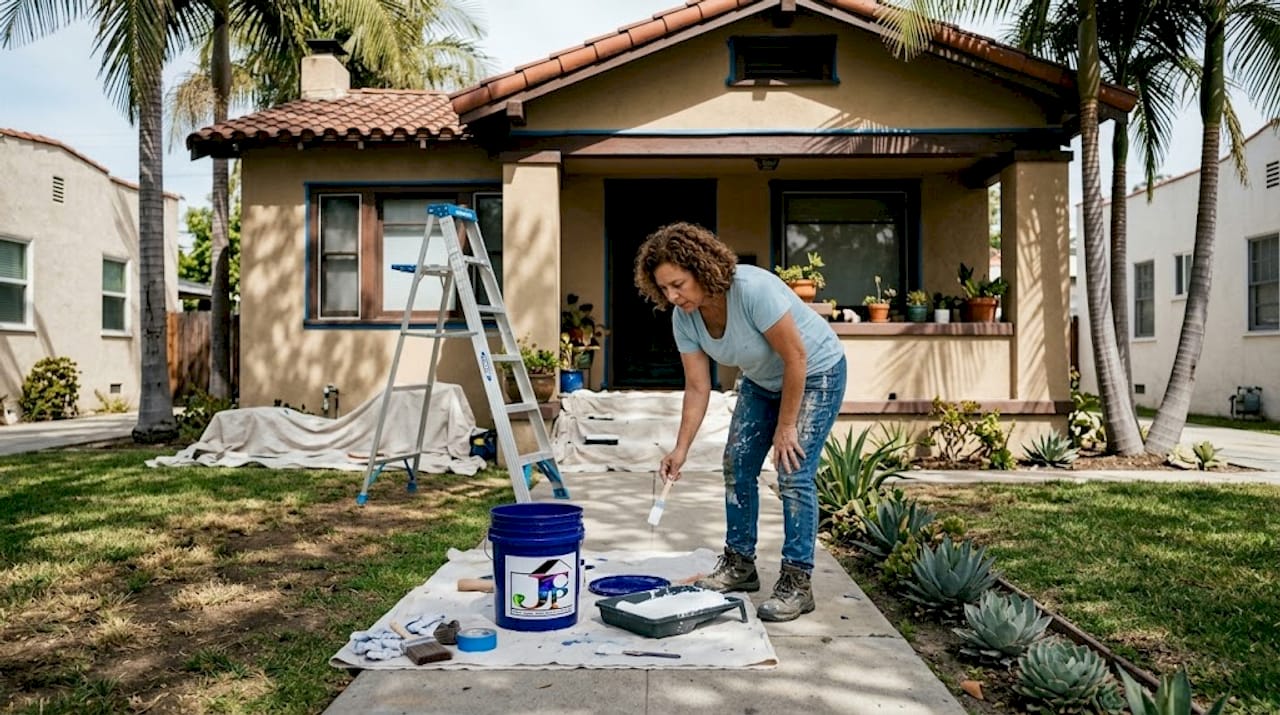
Refreshing your home or rental property with a new coat of paint is one of the fastest ways to boost curb appeal and property value, but the costs can spiral quickly if you’re not strategic. Between labor, materials, and the occasional costly rework, painting budgets tend to balloon in ways most homeowners and property managers don’t anticipate. The good news is that preparation prevents costly rework more than almost any other factor, and the ten field-tested tips below will help you get professional-grade results while keeping every dollar working hard.
Table of Contents
Key Takeaways
Point | Details |
Thorough prep saves money | Cleaning, repairing, and masking surfaces prevents costly rework and delivers lasting results. |
Smart material choices | Investing slightly more in quality paint and tools reduces labor and repaint frequency. |
Strategic timing and planning | Paint in off-peak seasons, and combine projects to minimize downtime and maximize discounts. |
Effective application techniques | Proper methods reduce wasted materials and speed up project completion without sacrificing quality. |
Regular maintenance | Simple upkeep keeps paint looking fresh and extends time between repaints, saving long-term costs. |
Prioritize prep: The foundation of cost-effective painting
Skipping prep is the single fastest way to turn a modest painting project into an expensive nightmare. Paint applied over dirty, cracked, or unprimed surfaces peels within months, forcing you to strip and redo the entire job. That means double the labor, double the materials, and twice the disruption to your household or tenants.
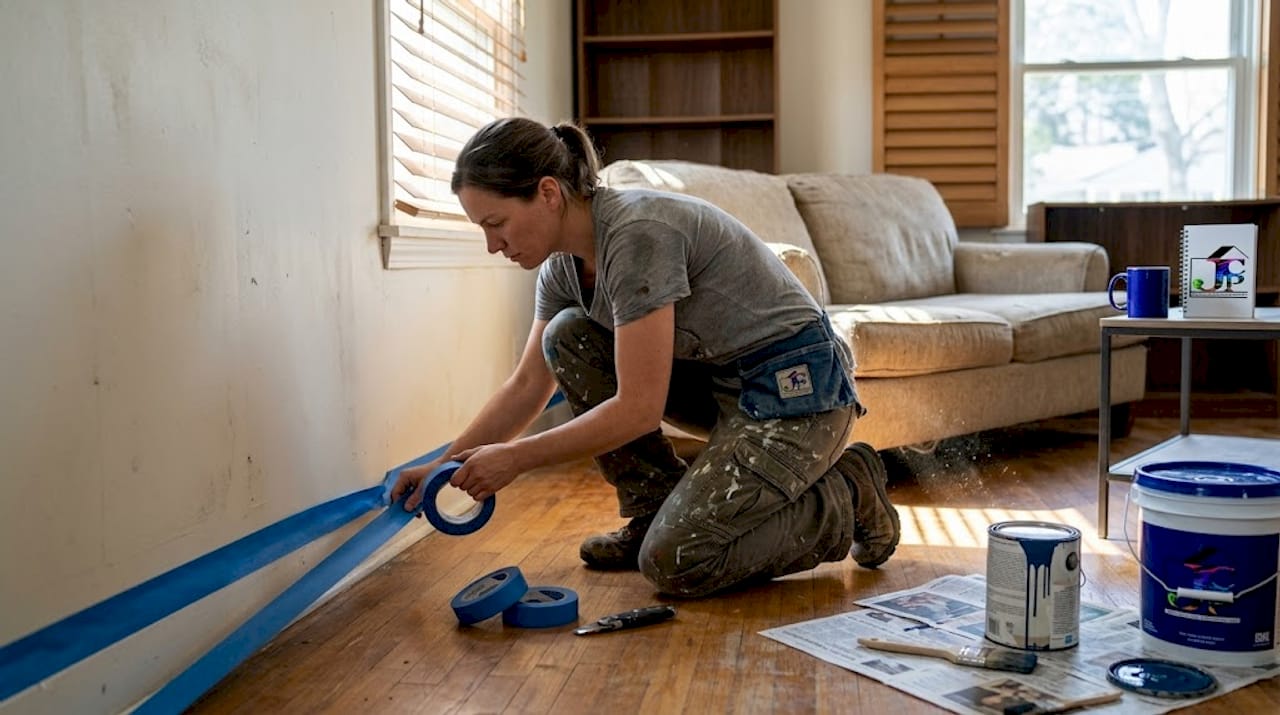
Cleaning, repairing, sanding, and priming are not optional extras. They are the foundation that determines whether your paint job lasts three years or ten. Think of it like laying tile: no one skips leveling the floor and expects the result to look great six months later.
Essential prep steps every project needs:
Wash all surfaces with a degreaser or TSP substitute to remove dust, grease, and chalky residue
Patch holes and cracks with spackling compound or exterior filler, depending on the surface
Sand patched areas smooth and lightly scuff glossy surfaces for better adhesion
Prime bare spots or entire walls when switching from dark to light colors
Mask trim, windows, fixtures, and hardware with quality painters tape
Lay drop cloths on floors and furniture to avoid expensive cleanup or replacement
“Time and quality are usually won in preparation, not in shortcuts.” That consensus echoes across every experienced painting contractor, and it’s the reason we include prep in every single estimate we provide clients.
Pro Tip: Use a 3-inch wide painters tape along baseboards and trim rather than the standard 2-inch width. The extra coverage protects edges you didn’t even know your roller would reach, and it shaves cleanup time dramatically.
For a detailed walkthrough specific to LA homes, our wall prep guide covers common surface issues like plaster, drywall, and stucco. You can also review our broader LA homeowner painting tips for regional considerations that affect adhesion and coverage. Smart expert project management starts at the prep stage, and getting this foundation right pays dividends through every coat.
Choose smart materials: Balancing quality and price
Once prep is squared away, the next place budgets get derailed is at the paint store. It’s tempting to grab the cheapest gallon on the shelf, but the math rarely favors it once you factor in additional coats, shorter lifespan, and the labor cost of repainting sooner.
Higher-quality paints may carry a higher price per gallon, but they typically cover in one to two coats versus two to three for economy options. Over a 2,000-square-foot exterior, that difference in coverage alone can offset the price gap entirely.
Category | Economy paint | Premium paint |
Average cost per gallon | $20 to $35 | $55 to $80 |
Coats typically needed | 2 to 3 | 1 to 2 |
Expected lifespan (exterior) | 3 to 5 years | 7 to 10 years |
Cost per year of coverage | Higher | Lower |
Where to invest versus where to save:
Invest in premium paint for high-traffic areas like hallways, kitchens, and exterior siding
Invest in quality primer when covering dark colors or sealing porous surfaces
Save on economy paint for low-visibility storage areas, utility rooms, or single-season rental touch-ups
Save on rollers for large flat surfaces where disposable covers work fine
Invest in quality brushes for trim, corners, and detail work where precision matters
Smart sourcing adds up too. Buying paint in five-gallon buckets when you need more than three gallons typically saves 10 to 15 percent. Watching for end-of-season sales at home improvement stores can knock another 20 percent off premium brands. Store leftover paint in airtight containers and label them by room so touch-ups are free rather than requiring a new purchase.
Our interior painting tips dig into finish selection in detail, because satin versus eggshell versus flat is not just an aesthetic choice. It directly affects cleanability, durability, and how often you repaint. For a broader look at planning your project spend, this guide on interior renovation planning offers a useful framework for budgeting across multiple trades at once.
Timing and planning: Minimize downtime and waste
Even the best paint and prep work can fall apart if the project is poorly scheduled. In Los Angeles, weather is generally cooperative year round, but there are still windows that make a significant difference in outcome and cost.
Good planning and masking prevent the kind of sloppy rework that adds days to a project and dollars to your bill. Planning by section, calculating accurate paint quantities, and sequencing work logically all contribute to a leaner, faster project.
Common planning mistakes that cost money:
Starting exterior work during Santa Ana wind season, when dust ruins wet paint surfaces
Rushing coats without checking dry times, leading to peeling within weeks
Painting over surfaces that absorbed overnight moisture, causing blistering and poor adhesion
Ordering paint in small batches, which leads to color inconsistency between gallons
Scheduling interior and exterior work separately when combining them allows bulk purchasing and shared setup costs
Pro Tip: Scheduling your project in fall or early winter often means lower contractor availability pressure in LA, which can translate into more competitive pricing and better scheduling flexibility. Contractors who are not juggling five summer projects simultaneously tend to give your job more focused attention.
For multi-unit property managers, combining painting across multiple units in a single project cycle dramatically reduces per-unit cost. One mobilization fee, one paint order, one crew coordination effort covers everything. Our guide to project management for painting explains how to structure these larger scopes efficiently. For exterior projects specifically, our breakdown of key exterior prep steps covers the sequencing that protects your investment through LA’s varied microclimates.
Application matters: Techniques for saving time and paint
How paint is applied affects not just how it looks, but how much of it you use and how long it lasts. Poor technique wastes material, creates uneven coverage, and generates extra labor when touch-ups inevitably pile up.
Proper sanding and masking are the bedrock of reducing material waste, but the application itself matters enormously too. Here’s what consistently makes a measurable difference on real projects.
Time-saving and waste-reducing application tips:
Work top to bottom on every surface to catch drips before they dry
Pair brushes and rollers strategically: cut in with a brush along edges, fill large fields with a roller
Use consistent stroke direction on a given wall to avoid lap marks that require an extra coat to hide
Maintain a wet edge by working in manageable sections rather than letting edges dry before continuing
Let each coat dry fully before applying the next. Rushing this step is one of the top causes of peeling
Estimated paint waste by application method:
Method | Estimated waste percentage | Best use case |
Brush | 5 to 10% | Trim, detail, tight corners |
Roller | 10 to 15% | Walls, flat surfaces |
Airless sprayer | 20 to 30% | Large exteriors, even surfaces |
Sprayers look fast on paper, but overspray waste and the masking time required to protect everything nearby often eliminates the time advantage on residential projects. For most LA homes with neighbors nearby, rollers and brushes remain the most efficient tools.
For exterior work specifically, our guide to curb appeal painting techniques covers the application nuances that make a neighborhood-stopping difference. If your property features stucco, which covers a huge percentage of LA homes, our stucco painting tips address the unique challenges that surface presents. For additional design inspiration that connects paint choices with broader interior updates, interior redesign ideas can help you align your color investment with a fuller vision.
Maintain and extend: Keep results fresh, costs down
Here’s something most paint guides skip over: the cheapest paint job you’ll ever have is the one you successfully delay. Every additional year you extend the life of an existing paint job saves you the full cost of a repaint, minus only minor maintenance expenses.
Regular maintenance reduces the frequency and total expense of full repaints more than almost any other factor. A five-minute annual inspection and a small tube of caulk can add two to three years to a paint job that would otherwise fail around windows, doors, or siding seams.
Routine maintenance practices that protect your investment:
Wash exterior surfaces annually with a garden hose and mild detergent to remove mold spores, dirt, and oxidized paint
Inspect for chips and peeling every six months, especially on south and west-facing walls that take the most sun exposure in LA
Recaulk gaps around windows, doors, and trim where caulk has shrunk or cracked. Water intrusion behind paint is the fastest way to destroy it
Touch up interior scuffs and marks before they grow into areas large enough to require full wall repainting
Check exterior wood trim for early signs of rot or moisture intrusion, particularly after the winter rainy season
Los Angeles weather is relatively mild, but UV intensity here is extreme. That sun fades and chalks paint faster than in most other American cities, particularly on north-facing stucco and dark-colored surfaces. Factoring that into your maintenance schedule matters.
For property managers overseeing multi-unit buildings, establishing a documented inspection cycle for each unit pays for itself many times over. Our eco-friendly maintenance tips provide a practical roadmap for keeping properties looking sharp while also reducing your environmental footprint through responsible product choices.
Why cutting corners costs more: A professional’s view
After 16 years painting homes and commercial properties across Los Angeles, one pattern stands out above everything else. The clients who spend the least per project often spend the most per year. Not because they hire bad contractors, but because shortcuts compound.
A rushed prep job leads to peeling within 18 months. Cheap paint fades in two years instead of six. Skipped caulking lets moisture in behind the paint film, causing blistering that requires not just repainting but surface repair. Each of those outcomes erases the original savings entirely and adds new costs on top.
The hardest thing to put a number on is the cost of your own time. Homeowners who go full DIY on an exterior often underestimate the project by 50 percent in hours. What looked like a weekend job stretches into three weekends with subpar results, and the momentum to maintain it properly afterward simply doesn’t exist. That’s not a knock on DIY capability. It’s a reflection of what professional workflow, equipment, and experience actually contribute to efficiency.
The smartest approach we see from experienced property managers is a clear-eyed split: handle routine interior touch-ups yourself to minimize cost, but bring in professionals for full repaints, exterior work, and any project involving surface damage. That division of labor saves money over a five-year horizon more reliably than any single tip in this article. Our project management insights explain how to structure that kind of partnership so you stay in control of costs without carrying all the execution risk yourself.
Bring your painting project to life—cost-effectively
Every tip in this article points toward the same outcome: better results, lower lifetime costs, and fewer headaches between repaints. Applying them well requires both knowledge and experience, and that’s exactly what Johnny’s Custom Painting brings to every project in Los Angeles.
With over 16 years serving LA homeowners and property managers, we specialize in the kind of thorough prep, strategic material selection, and precise application that makes paint jobs last. Whether you’re refreshing a single room or repainting an entire building exterior, the right professional partner makes the process faster, cleaner, and more cost-effective than going it alone. Browse our exterior residential painting portfolio and our interior residential painting gallery to see how we approach real LA properties, then reach out for a free estimate. Smart investment upfront is what keeps painting costs low for years to come.
Frequently asked questions
What is the most cost-effective way to paint a house in Los Angeles?
Preparation is the priority over speed every time. Combining thorough prep, quality paint purchases, and scheduling during off-peak seasons consistently delivers the lowest long-term cost per square foot.
Are premium paints worth the extra cost?
Absolutely. Fewer coats and longer lifespan mean premium paint typically costs less per year of coverage than economy options, and the labor savings on a second coat alone can offset the price difference.
How can I minimize paint waste on my project?
Measure your square footage accurately before purchasing, choose the right application tool for each surface, and follow proper sanding and masking practices that improve adhesion so every drop of paint sticks where it’s supposed to.
Is regular maintenance really necessary if I use good paint?
Yes. Even the best paint fails faster without upkeep. Routine maintenance extends lifespan significantly and turns what would be a full repaint into a minor touch-up, which is always the more affordable outcome.
Recommended
Comments