
How to schedule a painting project in Los Angeles


TL;DR:
Effective scheduling is crucial to completing Los Angeles painting projects on time and within budget, considering factors like scope, weather, and permits. Homeowners must plan sequences carefully, starting after rough construction and before final finishes, to avoid rework and damage. Proper coordination, realistic timelines, and awareness of delays ensure a smooth process and high-quality results.
Planning a painting project in Los Angeles sounds straightforward until the reality hits: your contractor is booked out six weeks, the forecast calls for rain right when exterior work was supposed to start, and your kitchen remodel ran two weeks long. Suddenly, what seemed like a simple job turns into a stressful scramble. Many LA homeowners lose time and money not because they chose the wrong paint color, but because they didn’t build a realistic, well-sequenced schedule from the start. This guide walks you through every stage, from initial planning to final walkthrough, so your project runs on time and on budget.
Table of Contents
Key Takeaways
Point | Details |
Project timelines vary | Interior jobs typically take 2–5 days; exteriors may require up to 10 days depending on preparation and weather. |
Scheduling order matters | Schedule painting after rough construction but before installing trims or fixtures for best results. |
Prep prevents delays | Plan for cleaning, repairs, and possible regulatory checks before setting your painting dates. |
Be weather smart | Always consider LA’s weather when planning exterior projects to avoid costly setbacks. |
Expert help pays off | Working with a professional and setting realistic timelines ensures a smooth, stress-free experience. |
Key factors to consider before scheduling a painting project
Now that you know why scheduling matters, let’s explore what you need to factor in before picking your dates.
Before you call a single contractor, you need a clear picture of the variables that will shape your timeline. Rushing past this step is where most homeowners run into trouble.
Project scope and duration
Interior and exterior timelines vary more than most people expect. Interior painting projects in LA typically take 2 to 5 days for residential homes, while exteriors can take up to 10 days depending on prep work and weather conditions. A single-room refresh is a very different animal than a full exterior repaint on a two-story craftsman in Silver Lake.
Here’s a quick breakdown of how scope affects your timeline:
Project type | Typical duration | Main variable |
Single room interior | 1 to 2 days | Condition of walls |
Full interior (3+ bedrooms) | 3 to 5 days | Furniture, prep work |
Exterior single-story | 3 to 5 days | Surface prep, weather |
Exterior two-story | 6 to 10 days | Scaffolding, weather |
Cabinet painting | 3 to 5 days | Drying and curing time |
Weather and environmental conditions
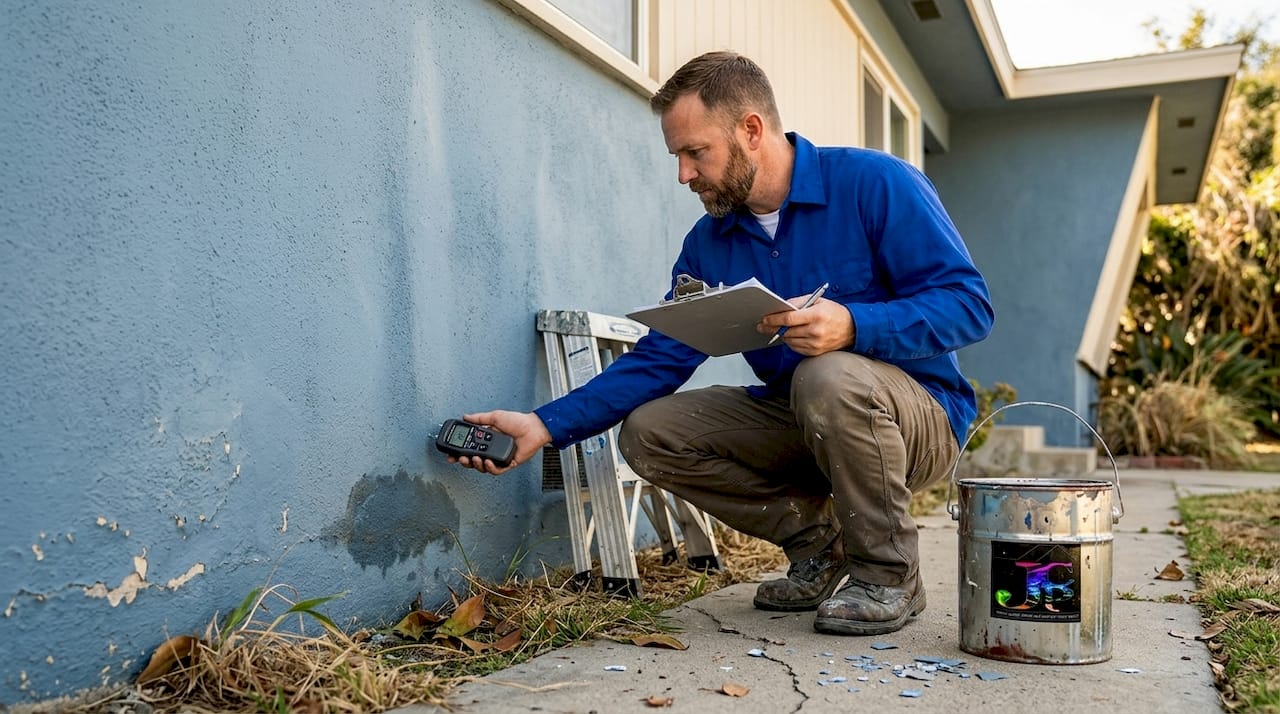
Los Angeles has a reputation for sunny skies, but the weather impact on exterior painting is real and often underestimated. Late fall and winter months bring moisture, coastal marine layer, and occasional rain that can prevent paint from bonding properly. Exterior paint typically needs temperatures between 50°F and 90°F and low humidity to cure correctly. Even dew in the early morning can push your start time back by two hours.
Regulatory and surface conditions
Homes built before 1978 may contain lead paint. Properties built before 1980 could have asbestos-containing materials. Both require testing and potentially professional abatement before painting can begin. These steps add mandatory hold points to your schedule, sometimes a week or more. Skipping them is not only dangerous but potentially a legal liability.
The condition of existing surfaces also matters. Heavy peeling, wood rot, stucco cracking, or water damage all require repair before a brush ever touches the wall. Getting accurate painting cost estimates early in your planning process helps you budget for these hidden prep needs.
Key variables to factor into your schedule before booking:
Current surface condition (peeling, cracking, moisture damage)
Age of the home and potential for regulated materials
HOA approval requirements (can add 1 to 4 weeks)
Overlap with other active renovations
Contractor lead times (top LA painters book 4 to 8 weeks out)
Pro Tip: Get your painting estimate before finalizing your remodel schedule, not after. Knowing whether you need lead abatement or extensive stucco repair could shift your entire project by weeks.
When to start and how to sequence your painting project
Once you’ve identified the external constraints, it’s time to decide exactly when and how your painting project should unfold.
Timing your painting within a larger renovation is one of the most commonly misunderstood parts of the process. Get the sequence wrong and you’ll be sanding walls that just got scuffed by your flooring crew, or repainting trim that was installed after the walls were finished.
The right moment in a remodel
The general rule is straightforward: schedule painting after rough construction like drywall and texture work, but before final trims and installations are completed. This approach protects your finished surfaces from construction dust and avoids the awkward tape lines you get when painting around already-installed baseboards. It also gives your painter full access to the walls without working around new cabinetry or light fixtures.
The correct painting sequence
The professional sequence is not arbitrary. It’s designed to eliminate drips, prevent rework, and protect each layer of finish:
Ceilings first. Any drips or overspray fall down. You don’t want ceiling paint landing on your freshly painted walls.
Walls second. Once the ceiling is fully dry, you can cut in cleanly along the top edge without risk of contaminating the ceiling.
Trim and doors last. Expert painting practice confirms that trim is painted last to avoid drips and rework, giving you crisp, sharp lines against finished walls.
Cabinets and built-ins as a separate phase. Cabinet painting requires its own prep, priming, and curing window, so it’s typically scheduled as a standalone step.
“Paint ceilings first, then walls, with trim completed last to eliminate drip damage and avoid the need for costly rework.” This principle applies to both new construction and renovation projects in residential settings.
Exceptions to the standard sequence
Some spray specialists actually paint trim first, then mask it before rolling walls. This technique can produce ultra-smooth trim finishes but requires precise masking and is more complex to manage. It’s worth discussing with your contractor if you’re aiming for a high-end furniture-quality finish on your woodwork.
If your project involves regulated materials, the sequence may need to shift around mandatory inspection windows. A lead abatement company may need to clear the space before your painter can even start priming.
Pro Tip: Ask any contractor you’re considering how they handle sequencing when other trades are on site. Their answer tells you a lot about their professionalism and how well they’ll protect your investment. For more ideas on getting the best results, check out these painting tips for LA homeowners.
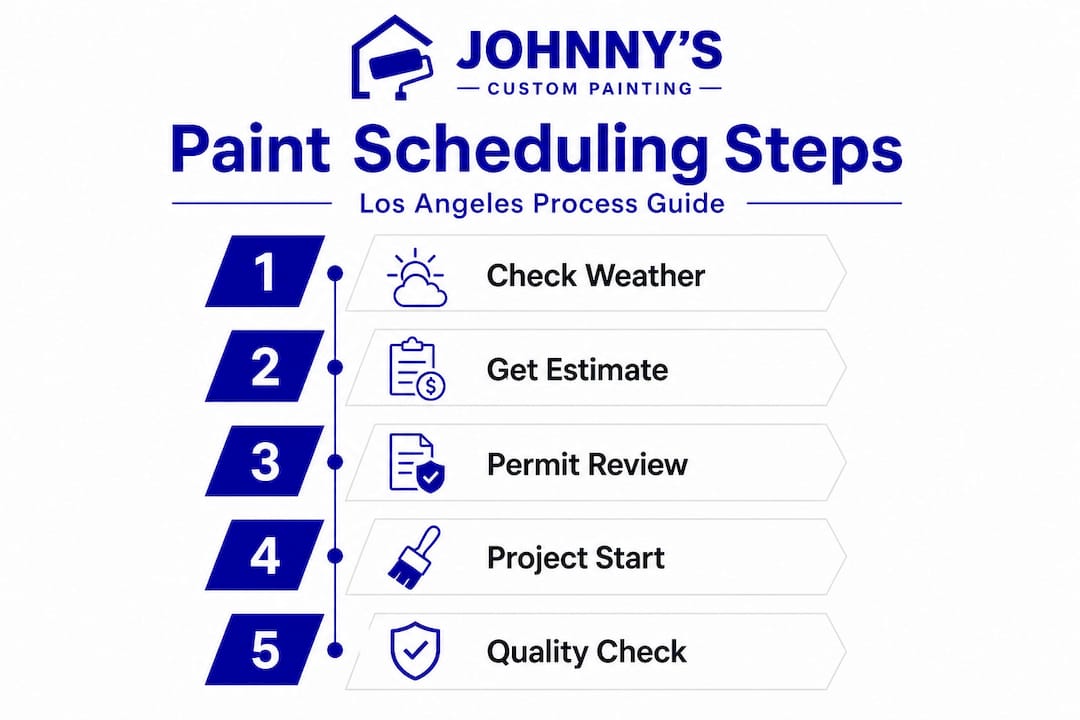
Step-by-step: Scheduling your painting project in Los Angeles
With your chosen time window and sequence in mind, follow these steps to lock in your project successfully.
Here’s a practical roadmap that takes you from initial research to final inspection, covering the specific logistics that matter most in the LA market.
Define your scope clearly. Write down every room, surface, and finish you want painted. Include ceiling height, surface material (drywall, stucco, plaster), and any special conditions like water stains or holes that need patching. This helps contractors give you accurate bids, not ballpark guesses.
Request multiple bids early. Contact at least three contractors and give each the same written scope. Comparing bids is easier when you’re comparing apples to apples. Knowing how to hire the right painter in LA means checking for a valid C-33 painting contractor license, current insurance, and verifiable references.
Review your painting contracts carefully. Before signing anything, make sure the contract specifies the exact paint products, number of coats, prep steps, and payment schedule. Review painting contracts carefully so you know what’s included and what’s not. Ambiguous language leads to disputes.
Block out the full project window. Interior work typically takes 2 to 5 days for a residential home; exteriors can stretch to 10 days. Add a 20% buffer on each end for setup, cleanup, and unforeseen delays. If you’re planning around a move-in date or family event, work backward from that deadline.
Coordinate with other trades. Talk to your flooring installer, cabinet company, and electrician. Agree on a sequence that gives the painter access to clean, undisturbed surfaces. In LA, trades often operate on tight overlapping schedules, so these conversations need to happen early.
Account for LA-specific logistics. Parking permits for contractor vehicles, HOA approval windows, and building management sign-offs in condos all take time. Some HOAs require color approval before any exterior work can begin, and that process can take two to four weeks by itself.
Plan your touch-up and walkthrough window. Reserve one to two days at the end of the project for addressing missed spots, touch-ups after fixtures are installed, and your final inspection walk. A good contractor will expect this and schedule it in.
Checklist before your painter arrives:
Walls patched and sanded
Surfaces clean and free of grease or mildew
Furniture moved or covered
Pets and children relocated during work hours
Ventilation planned for interior spaces
HOA or building approval confirmed in writing
Common pitfalls and adjustments: Planning for delays
Even with careful planning, unexpected challenges can disrupt your timeline. Here’s how to stay ahead.
Understanding where projects commonly go wrong lets you build defenses into your schedule before problems arise.
Weather delays on exterior projects
The LA climate feels forgiving, but exterior painting timelines are genuinely weather-dependent. Even a light overnight rain can mean postponing application by a full day while surfaces dry out. Winter months from November through February bring the highest risk of weather delays. Scheduling exterior work in late spring or early fall gives you the best combination of stable temperatures and low humidity.
The weather’s effect on painting quality goes beyond just delays. Painting over damp surfaces causes adhesion failures, bubbling, and peeling within months, leading to costly rework. A good contractor monitors moisture levels before each application, not just the general forecast.
Underestimating prep time
Prep work is where timelines most frequently blow up. Cleaning surfaces, scraping loose paint, sanding, caulking gaps, filling cracks, and priming bare spots all take time that homeowners and even some contractors don’t build into the schedule. On older homes in neighborhoods like Los Feliz or Pasadena, where layered exterior paint has built up over decades, prep alone can take two full days before a drop of fresh paint is applied.
Regulatory inspection delays
“Regulated projects involving lead or asbestos have mandatory hold points that cannot be bypassed. These inspections and any required abatement must be completed and documented before painting begins.”
If your home was built before 1978, plan for a lead inspection before your project kicks off. Results typically take two to five business days. If abatement is required, that adds another one to two weeks to your timeline. Budget for it from the start rather than treating it as a surprise.
Pro Tip: Add dedicated buffer days to your schedule, not just buffer hours. If your project is eight days, schedule ten and tell your contractor you expect completion within eight. That cushion protects you against weather holds, inspection waits, and material delivery issues without blowing your final deadline.
HOA and permit considerations
Many LA neighborhoods have active HOAs that regulate exterior colors and require written approval before work begins. Submit your color selections to the HOA at least four weeks before your target start date. Some permits for exterior work on larger properties may also require a city building department review, which adds additional lead time.
Why efficient scheduling matters more than you think
Here’s something worth saying plainly: most homeowners spend weeks choosing a paint color and about twenty minutes thinking through the schedule. That’s backwards. We’ve worked on projects in Los Angeles for over 16 years, and the single biggest source of client frustration isn’t the shade of the wall. It’s a project that drags on because nobody planned for the flooring crew showing up the same week as the painters, or because nobody checked whether the HOA needed four weeks for color approval.
Scheduling isn’t just logistics. It’s the framework that protects every other decision you make. When your painter has to work around another trade, when surfaces haven’t fully dried before the next coat goes on, or when prep gets rushed to hit a deadline, the quality of the finished work suffers. And then you’re repainting walls that were painted six months ago, which costs more than doing it right the first time.
The most memorable projects we look back on weren’t the ones that moved fastest. They were the ones where customer communication and scheduling were treated as seriously as the craft itself. A homeowner who knew exactly what to expect on day one, day three, and day seven was a homeowner who felt confident throughout the process, regardless of what small surprises came up along the way.
Efficiency in painting isn’t about rushing. It’s about building a schedule realistic enough to absorb real-world variables while still delivering results on time. That’s the difference between a painting job that feels chaotic and one that feels effortless.
Ready for your perfectly scheduled paint project?
Knowing the right sequence and timing is powerful, but executing it flawlessly takes experience and reliable professionals. At Johnny’s Custom Painting, we’ve spent over 16 years helping Los Angeles homeowners navigate exactly the kind of scheduling challenges this guide covers.

Browse interior painting projects and exterior residential work from homes across LA to see the quality we deliver. When you’re ready to move from planning to action, request a free consultation and let our team build a project schedule tailored to your home, your timeline, and your neighborhood. We handle the coordination so you don’t have to.
Frequently asked questions
How long should I plan for an interior painting job in Los Angeles?
Interior painting projects in LA typically take 2 to 5 days for a standard residential home, depending on the number of rooms and wall condition.
Do weather conditions affect exterior painting timelines in LA?
Yes, exterior painting can be delayed by rain or residual moisture, and exterior projects can take up to 10 days when weather conditions require additional drying time between coats.
When should painting happen during a remodel?
Painting should be scheduled after rough construction like drywall is complete but before final trim and fixture installations to protect new finishes from damage.
What are common delays when scheduling a painting project?
The most frequent delays include unexpected weather, extended prep work on older surfaces, and required inspections for regulated materials like lead or asbestos that add mandatory hold points.
Can I live in my home during the painting process?
In most cases yes, but you may need to temporarily vacate specific rooms or use low-VOC paints to manage fumes, especially if multiple rooms are being painted at once.
Recommended
Comments