
Anti-graffiti coatings: The complete guide for LA property owners

TL;DR:
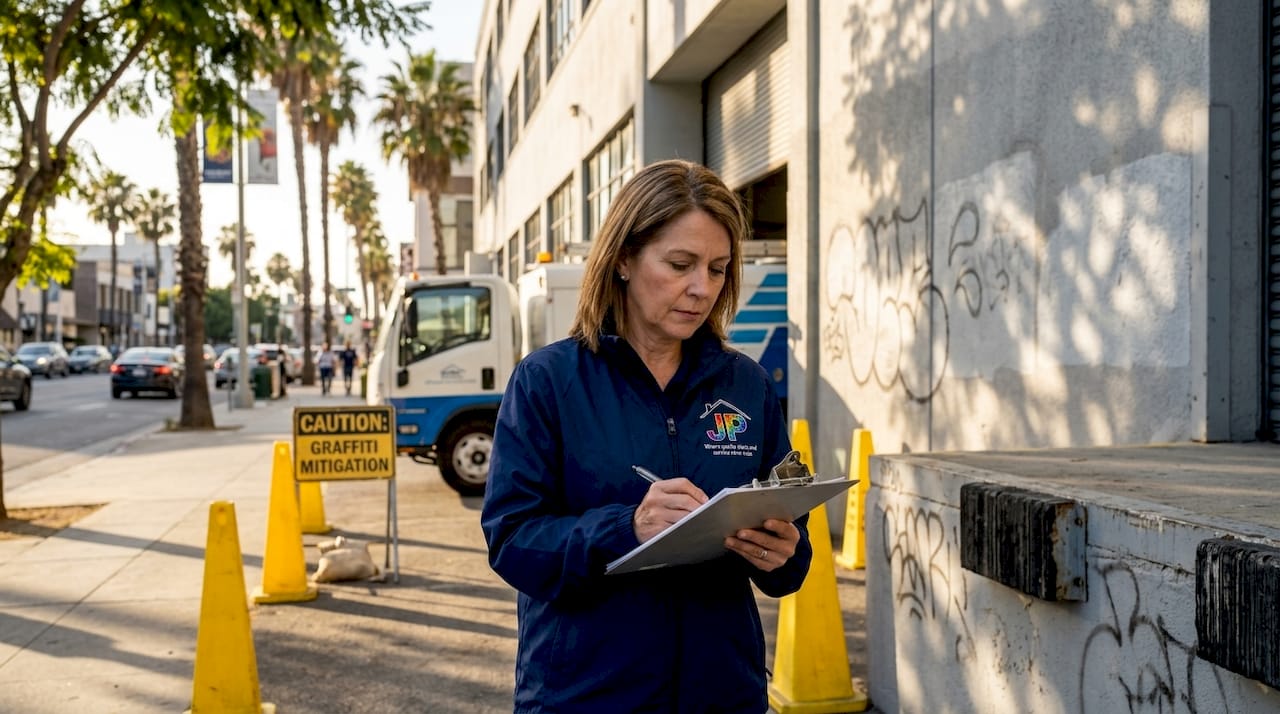
Modern anti-graffiti coatings reduce surface energy, making graffiti removal easier and surface preservation possible. They are categorized as sacrificial, semi-permanent, or permanent, each suited for different vandalism risks and substrates in LA properties. Regular maintenance and understanding regulatory changes are crucial for selecting long-lasting, eco-friendly solutions that effectively protect urban structures.
Graffiti doesn’t have to be a permanent fixture on your property. Many Los Angeles building owners and managers accept recurring vandalism as a cost of doing business, spending thousands each year on reactive cleanup and repainting. The reality is that modern anti-graffiti coatings offer a practical, science-backed way to protect your surfaces, dramatically cut cleanup costs, and keep your property looking its best. This guide breaks down exactly how these coatings work, what types are available, and how to choose the right solution for your specific property in LA.
Table of Contents
Key Takeaways
Point | Details |
Science-driven protection | Anti-graffiti coatings use low-surface-energy chemistry to prevent permanent graffiti stains. |
Coating types matter | Choose between sacrificial, semi-permanent, or permanent systems based on your property’s risk and needs. |
Regulation awareness | Check coating ingredients and ask about product updates, as regulations affect long-term performance. |
Films versus coatings | Films offer replaceable protection, while coatings offer a durable bond for repeated graffiti removal. |
Maintenance is key | Successful protection relies on the right system plus regular cleaning and inspection. |
What is anti-graffiti coating and how does it work?
Now that you know graffiti doesn’t have to be a permanent nuisance, let’s look at how anti-graffiti coatings actually protect your surfaces.
An anti-graffiti coating is a specialized surface treatment that helps prevent graffiti materials such as spray paint, markers, and adhesives from bonding to the underlying substrate, making removal easier and helping preserve the surface’s appearance. Think of it like a non-stick coating on a frying pan. The graffiti sits on top of the protected layer rather than soaking into the material below, which means you can clean it off with far less effort, time, and chemical aggression.
The science behind this comes down to surface energy. Most building materials like concrete, stucco, and brick have high surface energy, which allows paint and adhesives to grip tightly and bond deep into pores. Anti-graffiti coatings work by lowering the surface energy of the substrate, creating a non-stick interface where graffiti simply cannot get a firm hold. Some coatings also fill in microscopic surface pores, physically blocking graffiti from penetrating into the material.
This matters a great deal for exterior painting projects where the substrate itself represents a major investment. Without protection, cleaning graffiti off porous concrete or decorative stucco can actually damage the surface, forcing costly repairs on top of the cleanup. With the right coating in place, including specialized mural protection solutions, a simple pressure wash or solvent wipe removes most tagging without harming the substrate underneath.
The types of graffiti that coatings guard against include:
Spray paint (aerosol lacquers and enamels)
Permanent markers and paint markers
Adhesive stickers and posters
Wax-based crayons and chalk markers
Ink tags applied with felt-tip pens
Key insight: The goal of an anti-graffiti coating is not to make surfaces completely immune to tagging. It’s to ensure that when vandalism happens, the cleanup process is faster, cheaper, and less damaging to the underlying surface.
Types of anti-graffiti coatings: Sacrificial, semi-permanent, and permanent
Understanding the science is key, but how do you choose the right product? Start by looking at the main types available and how they hold up in real property scenarios.
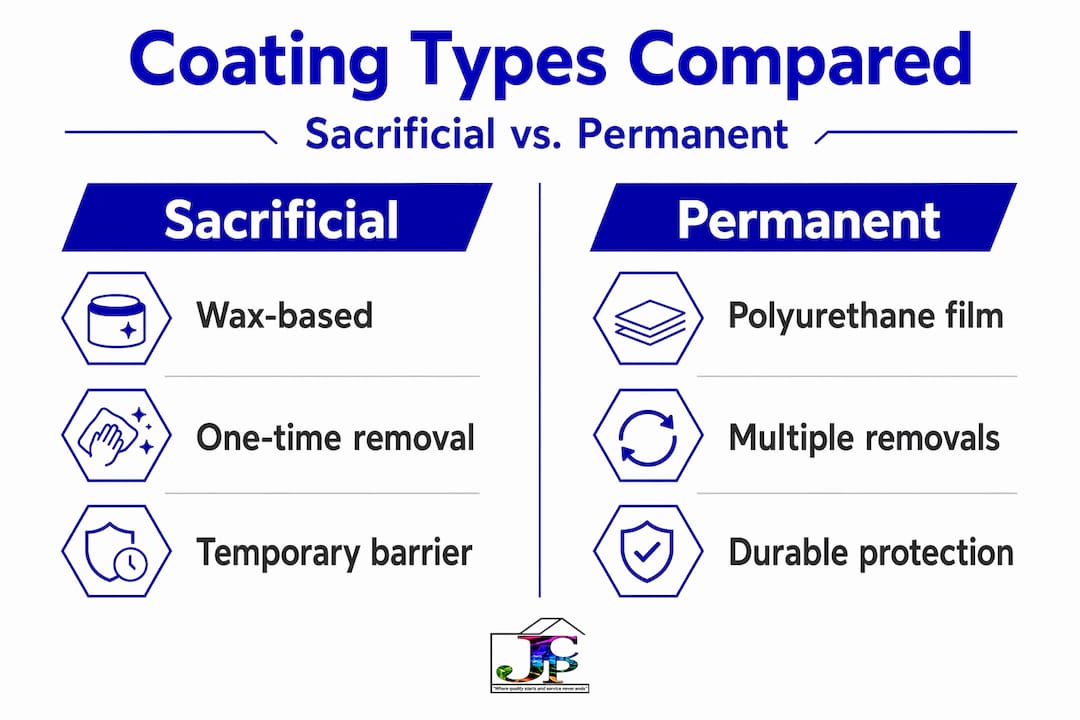
Anti-graffiti systems are commonly categorized as sacrificial (coating removed with the graffiti) versus semi-permanent or permanent (coating remains for multiple cleanings). Each category serves a different type of property and vandalism scenario.
Sacrificial coatings are typically wax or polymer-based products that form a temporary barrier. When graffiti is removed, the coating comes off with it and must be reapplied. These are popular for historic masonry, murals, and surfaces that require frequent attention or can’t withstand strong chemical cleaners. They’re cost-effective upfront but require consistent maintenance after every incident.
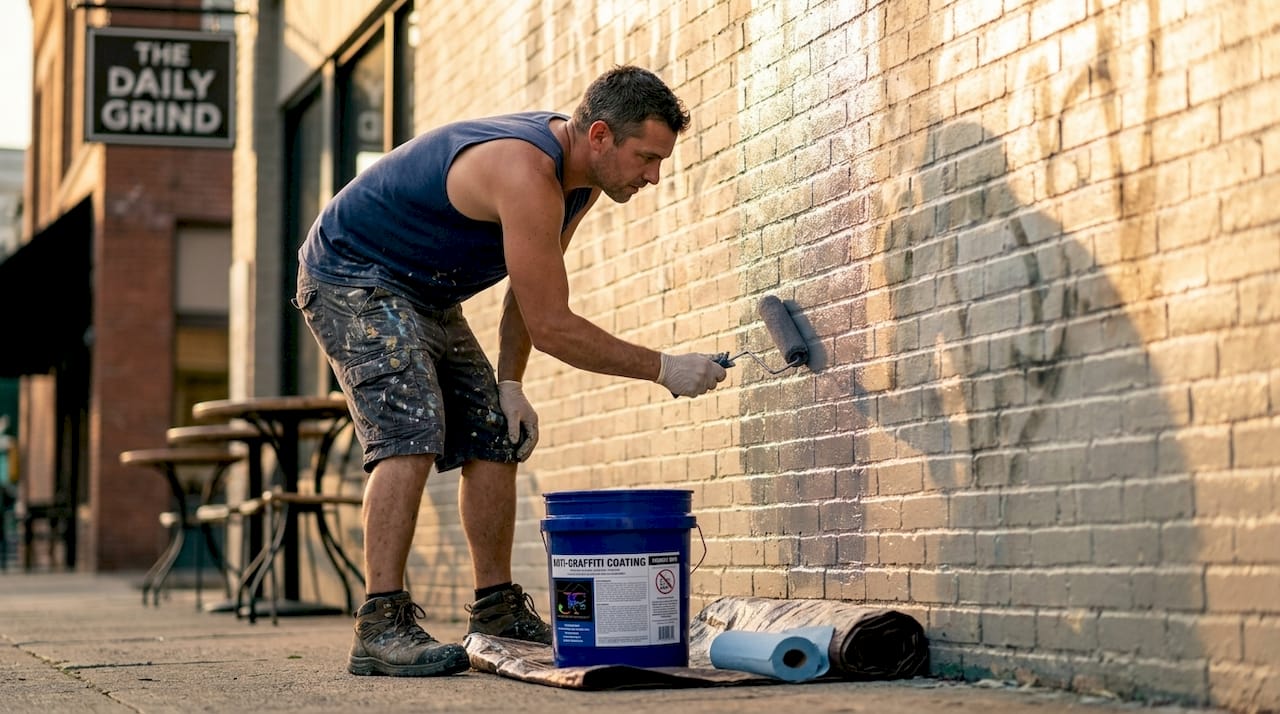
Semi-permanent coatings offer moderate durability. They use materials like polyurethane or siloxane that can tolerate several cleaning cycles before needing reapplication. These are a middle-ground choice for properties with moderate vandalism risk, where you want better durability than sacrificial options but aren’t ready to commit to the higher cost of a full permanent system.
Permanent coatings are designed to withstand many removal cycles because they form a durable hard film so graffiti does not bond effectively to the protected surface. These are typically fluoropolymer or advanced epoxy-based systems used on high-traffic commercial facades, transit infrastructure, and public buildings. They cost more upfront but deliver strong long-term return on investment for properties in high-vandalism zones.
Coating type | Durability | Reapplication required | Best for | Typical cost level |
Sacrificial | Low | After every incident | Historic stone, murals | $ |
Semi-permanent | Moderate | Every few cleanings | Retail storefronts, mid-traffic walls | $$ |
Permanent | High | Rarely or never | Commercial facades, transit, parking structures | $$$ |
When evaluating residential anti-graffiti options for your LA property, consider these factors:
Frequency of vandalism at your location
Type of substrate (concrete, brick, stucco, metal, painted drywall)
Aesthetic requirements (gloss level, texture preservation)
Budget for both installation and long-term maintenance
Whether chemicals used for cleaning are compatible with the coating
For detailed planning on how to keep coatings performing over time, the maintenance tips for coatings available in our property guide are a valuable starting point.
Pro Tip: If your property sits in a high-vandalism area of Los Angeles, don’t default to sacrificial coatings just because they’re cheaper. A permanent system may pay for itself within two or three cleanup cycles alone, especially when you factor in labor and chemical costs.
Nuances and regulatory considerations in permanent systems
Not all coatings are created equal. Making an informed choice means understanding the underlying chemistry and how changing regulations can affect what’s available for your property.
One thing that often surprises property owners is that the word “permanent” in coating marketing can be misleading. Some “permanent” products depend on additives such as fluorine-based compounds that can deplete over time, and regulations can shift product availability and chemistry. In other words, a coating that performs well in year one may lose effectiveness by year three, not because the base film failed, but because the active non-stick additives migrated or wore away.
Fluorine-based additives, known as per and polyfluoroalkyl substances or PFAS, have historically been very effective at creating low-energy surfaces. However, increasing regulatory pressure across California and nationally is pushing manufacturers toward fluorine-free formulas. This matters for LA property owners because the products available today may not be the same as what you installed five years ago, and what’s compliant today might not be in another few years.
Additive type | Non-stick performance | Durability | Regulatory status (CA) | Environmental concern |
Fluorine-based (PFAS) | Excellent | High | Under review/restricting | High |
Fluorine-free polymer | Good | Moderate to high | Generally compliant | Low |
Siloxane-based | Moderate | Moderate | Generally compliant | Low |
Natural wax (sacrificial) | Basic | Low | Compliant | Very low |
Important note: California’s regulatory environment around PFAS and VOC emissions is among the most restrictive in the country. Always verify that the coating you choose is compliant with current California Air Resources Board (CARB) and local South Coast Air Quality Management District (SCAQMD) requirements before installation.
When speaking with coating vendors in LA, ask these specific questions:
What is the active non-stick chemistry in this product?
How long does the non-stick effectiveness last before additives deplete?
Is this product compliant with current CARB and SCAQMD regulations?
What cleaning agents are compatible without degrading the coating?
For property managers interested in eco-friendly anti-graffiti strategies, the shift toward fluorine-free systems is actually a positive development. Many newer fluorine-free coatings offer comparable performance with a significantly reduced environmental footprint, which aligns well with both LA’s regulatory direction and the preferences of environmentally conscious tenants and building users.
Pro Tip: Request a technical data sheet from any coating vendor before committing to a product. The sheet should list chemistry, expected service life, cleaning protocol, and compliance certifications. If a vendor can’t provide this document, that’s a red flag.
Following through with regular assessments and updates to your coating plan as regulations evolve is part of solid painting maintenance best practices. Don’t assume a coating installed three years ago is still performing at its original spec.
Matching the solution: Coatings vs. films and real-world selection tips
The chemistry and regulations matter, but so does picking what actually fits your specific property. Let’s make sense of how coatings and films stack up and how to make the smartest choice.
Anti-graffiti protection can also be delivered using films, which are replaceable protective membranes that are distinct from coating chemistries. Films are typically clear laminate sheets applied over flat surfaces like glass, polished metal, or painted panels. When they get tagged, you simply remove the film and apply a fresh layer. No cleaning chemicals needed, no risk of substrate damage.
Films work extremely well for specific scenarios: retail storefronts with large glass windows, polished metal elevator panels, and smooth-painted interior surfaces in transit stations or parking garages. However, they’re not practical for textured surfaces like rough concrete, brick, or stucco because the film can’t conform to irregular profiles without air pockets forming underneath.
For protecting stucco exteriors or concrete block walls, liquid-applied coatings remain the right choice because they penetrate and conform to the surface texture. Films can’t replicate that bond on irregular substrates.
When to choose films:
Large flat glass surfaces (storefronts, bus shelters)
High-gloss metal panels and signage
Surfaces where chemical cleaners would cause damage
Short-term protection during events or construction phases
When to choose coatings:
Porous masonry (concrete, brick, stucco)
Large exterior wall areas
Properties needing long-term protection without repeated film replacement
Murals and decorative finishes
For property managers evaluating options, matching the coating type to the expected vandalism frequency and the substrate is critical. Sacrificial options often require reapplication after incidents, while permanent options are intended to reduce repeated recoating over time.
Here’s a practical step-by-step process for selecting the right system:
Map your vandalism history. Document how often incidents occur, what type of graffiti is typical, and which surfaces get hit most.
Identify your substrate types. List every surface material you need to protect and note whether it’s porous, smooth, painted, or decorative.
Set your maintenance tolerance. Decide realistically how often you can commit to reapplication or coating inspections.
Check regulatory compliance. Confirm that any product you consider meets current California and SCAQMD requirements.
Request product samples and test panels. Apply the coating to a small area and simulate a cleaning cycle before committing to a full installation.
Get written documentation of the expected service life, warranty, and recommended cleaning protocol from your contractor.
The maintenance planning guide we’ve put together for LA property owners walks through ongoing care schedules that keep coatings performing at their best across different seasons and exposure conditions.
Pro Tip: For properties in LA’s urban core where tagging is frequent, permanent coatings on the lower six feet of your building’s exterior deliver the highest return. This zone accounts for the vast majority of street-level graffiti incidents.
Beyond marketing: Choosing smarter anti-graffiti solutions for LA properties
We’ve worked with enough LA properties over the past 16 years to know that the biggest mistakes property owners make aren’t about picking the wrong product. They’re about trusting marketing language over chemistry and skipping the maintenance conversation entirely.
In practice, choosing between sacrificial, semi-permanent, and permanent anti-graffiti finishes is less about marketing and more about chemistry plus maintenance strategy. A product labeled “permanent” is only as effective as its chemistry allows and as long as the property owner follows the recommended cleaning and inspection schedule. We’ve seen “permanent” coatings fail within 18 months on high-vandalism walls because the cleaning crew used incompatible solvents that slowly degraded the film.
The uncomfortable truth is that many vendors oversell durability because that’s what property managers want to hear. The smart questions aren’t “how long does this last?” but rather “under what conditions, with what cleaning protocol, and what happens when those conditions aren’t met?”
The best anti-graffiti program for an LA property combines three things: a coating matched to the chemistry that suits your specific substrate and vandalism exposure, a realistic maintenance plan that your team will actually follow, and an ongoing relationship with a contractor who tracks regulatory changes and can advise you when product formulations shift. California’s regulatory environment moves fast. The coating market is adapting constantly. What works today needs to be reassessed every couple of years.
For property owners who want to take a genuinely long-term view, we recommend thinking about eco-friendly maintenance tips as part of your overall building care plan. Combining lower-VOC, fluorine-free coatings with a structured maintenance calendar isn’t just good environmental practice. It’s increasingly the only compliance-safe option in Los Angeles.
The bottom line is this: the right anti-graffiti solution is rarely the most expensive one. It’s the one that fits your property’s actual risk level, can be maintained by your team, and uses chemistry that will still be compliant and available five years from now.
Protect your Los Angeles property: Professional solutions that last
Graffiti protection is most effective when it’s designed specifically for your property, not pulled from a generic product catalog.
At Johnny’s Custom Painting, we’ve spent over 16 years protecting residential and commercial properties across Los Angeles with tailored anti-graffiti and surface protection strategies. From protective commercial painting on high-traffic facades to professional anti-graffiti coatings for murals and decorative surfaces, we match every solution to your specific substrate, vandalism history, and compliance requirements. We use eco-friendly, regulation-ready products and stand behind our work with licensed, insured service. Contact us today for a free property assessment and find out which anti-graffiti system will give your building the best long-term protection.
Frequently asked questions
How long do anti-graffiti coatings last?
Permanent coatings are designed to withstand many graffiti removal cycles by forming a durable hard film, but real-world service life depends heavily on the coating’s chemistry and the cleaning methods used after each incident.
What surfaces can be protected with anti-graffiti coatings?
Almost any architectural surface including masonry, concrete, painted walls, and murals can receive specialized anti-graffiti coatings, with the product selected based on substrate porosity and texture.
Is there a difference between anti-graffiti coatings and films?
Yes. Anti-graffiti films are replaceable protective membranes ideal for flat, smooth surfaces like glass, while coatings are liquid-applied products that bond directly to the substrate and work well on porous, textured surfaces.
Do all “permanent” anti-graffiti coatings last forever?
No. Some permanent products rely on additives that deplete over time, and evolving regulations can change product chemistry and availability, so the performance you get at installation may not hold indefinitely.
How do I choose the right anti-graffiti system for my property?
Match the coating type to your expected vandalism frequency and substrate, then factor in whether your maintenance team can handle recoating after each incident or whether you need a durable system that minimizes repeated applications.
Recommended
Comments