
The role of craftsmanship in painting: expert guide for LA properties

TL;DR:
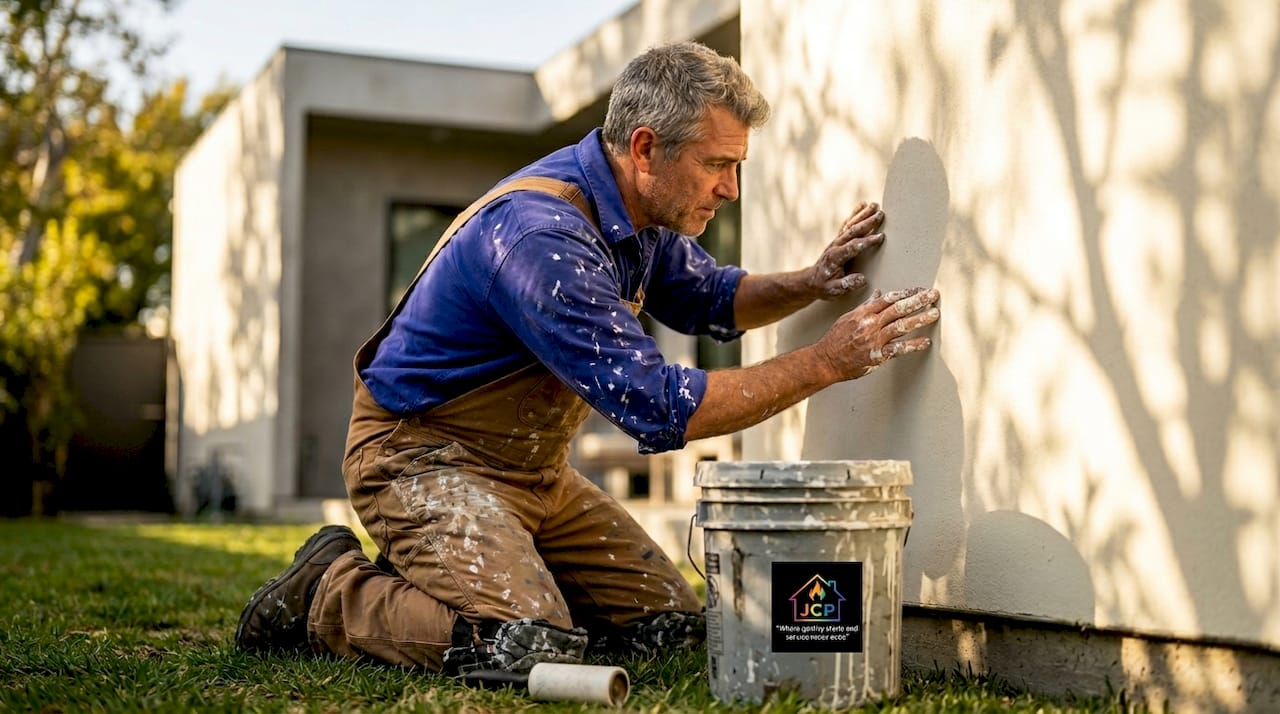
Proper craftsmanship in painting involves surface preparation, formulation selection, and expert application tailored to environmental conditions. These systemic practices are essential for durability, especially in challenging climates like Los Angeles, and are more influential than solely choosing premium paint. Investing in skilled labor and proper process ensures long-lasting, high-quality results that protect property value over time.
Most property owners assume that buying premium paint is the primary factor in getting a durable, beautiful finish. That assumption costs people thousands of dollars every year in premature failures, peeling edges, and blotchy touch-ups. The real role of craftsmanship in painting goes far beyond what’s in the can. It spans how a surface is prepared, which formulation is chosen for a specific environment, and how the coating is applied using the right tools and technique. This guide breaks down every layer of that system so you can recognize quality work and protect your investment.
Table of Contents
Understanding craftsmanship in residential and commercial painting
Why surface preparation standards matter for durable coatings
Matching paint formulation and gloss level to environment and use
Common craftsmanship challenges and expert application techniques
Comparing craftsmanship impact on residential vs. commercial properties
Why craftsmanship is the true foundation of lasting paint jobs in Los Angeles properties
Explore expert craftsmanship with Johnny’s Custom Painting in Los Angeles
Key Takeaways
Point | Details |
Craftsmanship is a system | High-quality painting depends on the right combination of surface prep, paint selection, and application techniques. |
Surface prep is critical | Proper cleaning and creating an anchor profile ensure adhesion and long-lasting paint. |
Paint choice matters | Selecting paint formulation and gloss level suited for the environment enhances durability. |
Application details count | Matching tools, lighting, and techniques prevents visible imperfections and touch-up issues. |
Expertise saves costs | Investing in skilled craftsmanship reduces maintenance and extends coating lifespan. |
Understanding craftsmanship in residential and commercial painting
Craftsmanship in painting is not a single skill. It is a system. When one component of that system is ignored, the entire coating can fail regardless of the paint’s price tag. This is why the importance of skilled painter selection matters so much before a single drop hits a wall.
MPI frames craftsmanship as the combination of formulation, sheen, surface preparation, and application matched to the environment. That framing is useful because it immediately removes the idea that any one element is enough on its own. A premium resin-based exterior paint applied over a dusty, chalky surface will peel just as fast as a bargain-shelf product.
Here is what true craftsmanship in painting involves:
Surface preparation: Cleaning, repairing defects, and creating an anchor profile that lets paint bond properly
Formulation selection: Choosing the resin type, sheen level, and coating chemistry suited to the environment
Application technique: Using the correct tools, coverage rate, and layering sequence for the substrate
Environmental matching: Accounting for humidity, temperature, UV exposure, and substrate material specific to the location
For Los Angeles properties, that last point is especially critical. Coastal proximity, seasonal heat, and stucco-heavy construction all demand different coating decisions than you would make in a humid Midwest climate.
Why surface preparation standards matter for durable coatings
Surface preparation is where most paint failures are born. A wall can look smooth and ready to paint yet still carry contamination, surface tension issues, or micro-cracks that will destroy adhesion within months. Industry standards exist precisely to eliminate guesswork from this step.
Here is the standard process a qualified painter follows before applying any coating:
Assess the existing surface condition: Identify substrate type, existing coatings, surface damage, and contamination level
Select the target cleanliness grade: Match the preparation method to the standard required for the chosen coating
Execute surface cleaning: Remove dirt, grease, chalk, loose paint, and other contaminants using hand tools, power tools, or chemical cleaners
Create an anchor profile: Mechanical abrasion creates microscopic peaks and valleys that give paint something to grip
Verify cleanliness and profile: Confirm the surface meets spec before any primer or topcoat is applied
Surface preparation standards like ISO 8501-1 and SSPC/NACE grades define measurable cleanliness levels. These aren’t just industry jargon. They give both painter and property owner a shared language for quality assurance. Below is a quick reference for common grades:
Standard | Grade | What it means |
ISO 8501-1 | St 2 | Thorough hand-tool cleaning, visible mill scale and rust removed |
ISO 8501-1 | St 3 | Very thorough power-tool cleaning with metallic sheen visible |
SSPC | SP 2 | Hand-tool cleaning equivalent to St 2 |
SSPC | SP 3 | Power-tool cleaning equivalent to St 3 |
SSPC | SP 6 | Commercial blast cleaning for industrial or high-exposure applications |
Understanding these grades helps you ask the right questions. When a contractor quotes a job, asking which surface preparation grade they intend to achieve is a quick filter for separating serious professionals from shortcuts.
Pro Tip: Ask your painting contractor to document the surface preparation step with photos before primer goes on. This creates accountability and a project record that is useful if warranty issues arise later.
Good surface preparation techniques also directly affect how long you can expect a paint job to last. A thorough preparation process can extend coating life by several years, which translates directly into fewer repaints and lower long-term cost. Your paint durability guide can help you set realistic expectations for how long different coatings perform on LA substrates.
Matching paint formulation and gloss level to environment and use
Choosing the right paint is genuinely complex, and “the best paint” is context-dependent. A coating that outperforms everything else in a dry interior bedroom is the wrong product for a salt-air-exposed beachside facade or a high-traffic commercial corridor.
Formulation choices that matter most include:
Resin type: Acrylic, alkyd, epoxy, and urethane resins each offer different bonding, flexibility, and chemical resistance characteristics
Solids content: Higher solids mean more material left on the surface after the carrier evaporates, generally building a thicker, more protective film
VOC content: Low-VOC formulations are required or preferred in many California applications, both for occupant health and regulatory compliance
Gloss level: Flat, eggshell, satin, semi-gloss, and gloss all behave differently in terms of durability, cleanability, and light reflection
“Higher gloss paints contain more resin, providing a protective sheen critical in humid or high-wear areas.” This MPI expert insight on gloss explains why a semi-gloss is typically specified for kitchens, bathrooms, and high-traffic hallways while flat finishes are reserved for low-traffic ceilings.
This distinction is not about aesthetics alone. A flat paint in a commercial kitchen will absorb grease and moisture, deteriorate quickly, and become a cleaning nightmare. The same flat paint on a textured ceiling in a quiet office is perfectly appropriate. Knowing how to evaluate paint quality for specific conditions is part of what separates a knowledgeable painting contractor from one who simply applies what is convenient.
In Los Angeles specifically, exterior coatings face intense UV radiation that degrades certain resin types quickly. Acrylic formulations with UV stabilizers are typically the right call for exterior stucco and wood surfaces throughout the region.
Common craftsmanship challenges and expert application techniques
Even with the right surface and the right paint, application errors can ruin the result. The craft of application is where years of hands-on experience genuinely separate good painters from great ones.
The most common challenges in skilled application include:
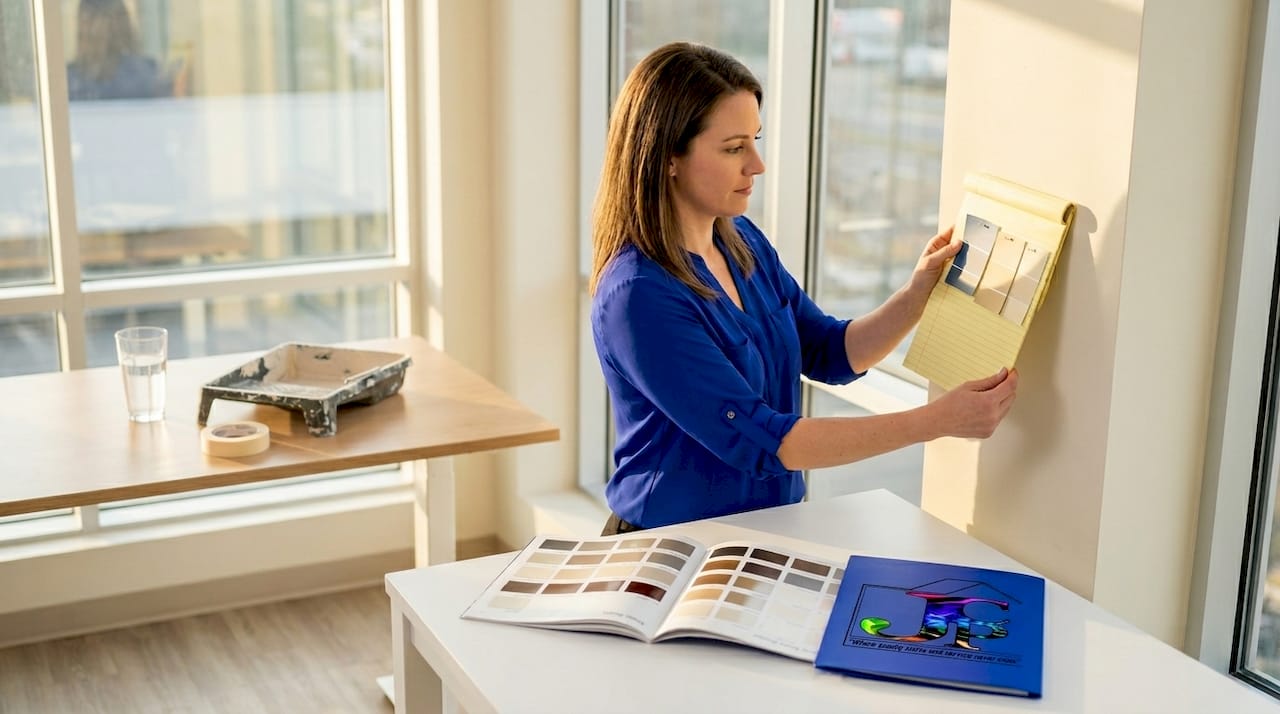
Lighting conditions during application: Applying paint in poor light hides lap marks, missed spots, and uneven coverage that become glaring once dry under natural light
Batch consistency: Paint from different manufacturing batches can have subtle color variations. Blending batches or ordering enough product in one lot prevents mismatched sections
Roller nap selection: A nap that is too thick on a smooth wall leaves texture; one that is too thin on rough stucco misses valleys entirely. Matching nap to substrate is a craft decision
Brush quality and technique: Cutting in edges with a low-quality brush creates visible bristle marks. Skilled painters use the right brush for the coating viscosity and surface type
Film thickness control: Applying too little paint reduces coverage and durability. Too much causes sagging, solvent trapping, and extended cure times
Pro Tip: When scheduling touch-up work, use paint from the same batch as the original application and the same roller nap size. Craftsmanship details in touch-ups confirm that touch-up visibility is primarily controlled by lighting angle, batch matching, and tool matching, not just color accuracy.
Experienced expert painting tips include staging the work so natural light hits each section as you apply, letting you catch imperfections in real time rather than discovering them after cleanup.
Comparing craftsmanship impact on residential vs. commercial properties
Craftsmanship requirements are not uniform across property types. Residential and commercial painting projects share the same foundational principles, but the priorities and technical demands shift considerably.
Factor | Residential painting | Commercial painting |
Primary goal | Aesthetic appeal and moderate durability | High durability, compliance, and brand consistency |
Surface prep rigor | Thorough cleaning and repair of typical wear | Higher-grade cleaning for industrial or high-traffic substrates |
Coating formulation | Consumer-grade to professional acrylics | Specialty coatings: epoxy, urethane, anti-microbial, fire-rated |
Gloss selection | Wider aesthetic range from flat to semi-gloss | Semi-gloss to gloss standard for cleanability and hygiene |
Verification requirements | Visual inspection and client approval | Documented film thickness, adhesion testing, compliance sign-off |
Timeline pressure | Flexible scheduling | Strict completion windows to minimize business disruption |
MPI verification standards directly influence specification decisions across both property types, with the environment driving both formulation choice and finish selection in every case.
For residential properties, craftsmanship shows up most visibly in clean edges, consistent sheen, and long-lasting color. For commercial spaces, it shows up in documented processes, coating systems that meet code, and surfaces that can withstand heavy cleaning cycles without degrading.
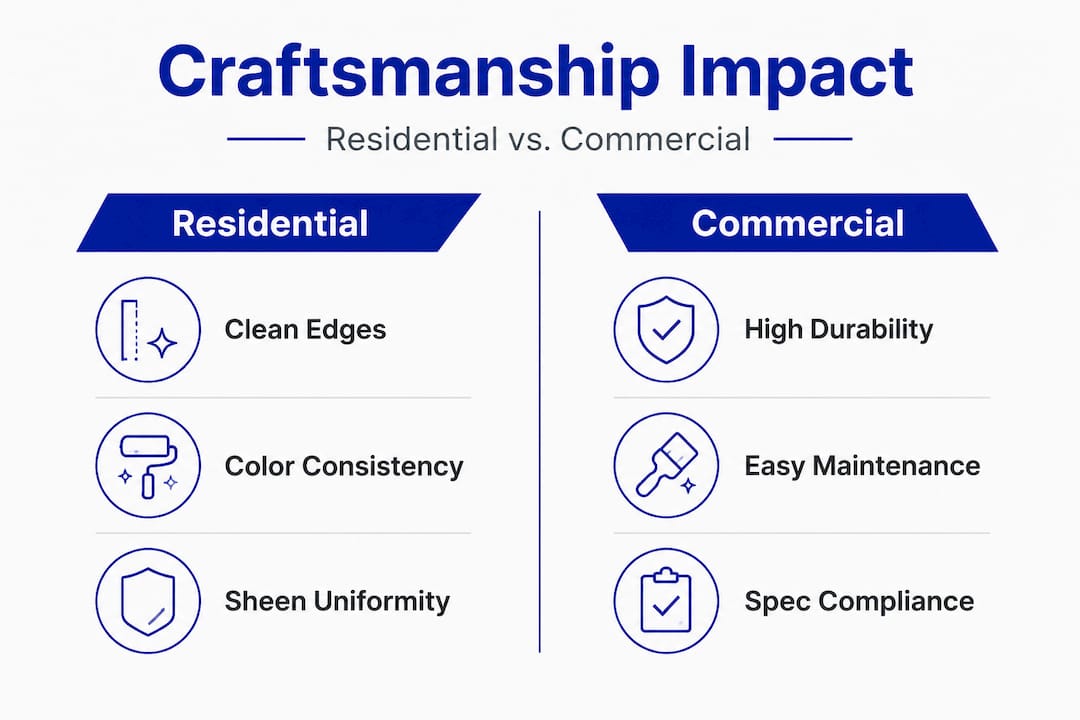
Both contexts benefit from the same discipline. You can explore real outcomes in our residential portfolio and commercial portfolio to see how these principles translate across property types.
Why craftsmanship is the true foundation of lasting paint jobs in Los Angeles properties
Here is an opinion built on over 16 years of painting properties across Los Angeles: the biggest mistake property owners make is treating paint as the product they are buying. Paint is a material. Craftsmanship is the service that makes that material perform.
We have seen properties repainted within two years using premium brand paint because the prep was rushed. We have also seen properties hold a finish for 10-plus years using mid-grade coatings because every step of the process was executed correctly. The coating system’s performance is systemic. Premium paint applied poorly is just expensive failure.
Los Angeles adds its own layer of complexity. Marine layer moisture on the Westside, intense sun in the Valley, thermal expansion on hillside homes, and the region’s signature stucco substrates all create conditions that punish shortcuts. A paint contractor who does not factor these into surface prep decisions and formulation choices is setting you up for a short-lived result.
The uncomfortable truth about hiring skilled painters is that the price difference between a skilled contractor and a shortcut operator is often modest upfront but enormous over time. A proper paint job on an LA property should last 7 to 10 years on exterior surfaces and longer on interiors. If you are repainting every 3 to 4 years, craftsmanship is what was missing, not paint brand.
Invest in the process, not just the product. That mindset is what separates a property that holds its value from one that requires constant maintenance.
Explore expert craftsmanship with Johnny’s Custom Painting in Los Angeles
Understanding the role craftsmanship plays is the first step. Putting it to work on your property is the next one.
At Johnny’s Custom Painting, every project starts with a thorough assessment of surface condition, substrate type, and environmental exposure before we recommend a single product. Our team applies industry surface preparation standards, matches coating formulations to your specific property and climate zone, and documents the process so you have a record to stand behind. Whether you need interior residential painting, exterior residential painting, or interior commercial painting for a Los Angeles property, we bring 16 years of local experience to every job. Contact us for a free estimate and see the difference a standards-driven approach delivers.
Frequently asked questions
What does craftsmanship in painting include besides the paint itself?
Craftsmanship involves proper surface preparation, selecting the right paint formulation and gloss, and expert application techniques tailored to the environment and substrate. MPI frames craftsmanship as a complete system involving all of these elements working together, not any single component in isolation.
Why is surface preparation so important for painting durability?
Surface preparation ensures the substrate is clean and has the correct anchor profile for paint adhesion, which prevents coating failures even with top-quality paint. Surface preparation standards define measurable cleanliness and profile requirements that make adhesion reliable and verifiable.
How does gloss level affect paint performance?
Higher gloss paints have more resin content, providing a protective layer that improves durability, especially in humid or high-traffic areas. The MPI gloss level research confirms that sheen selection is a functional decision, not just an aesthetic preference.
What challenges affect paint touch-up quality?
Touch-up quality suffers when lighting conditions, paint batch, or application tools differ from the original work, making repaired spots visible even when the color matches. Touch-up craftsmanship factors show that matching all three variables, not just color, determines whether a repair is invisible or obvious.
Recommended
Comments