
How to apply low-VOC paint for healthier spaces in LA

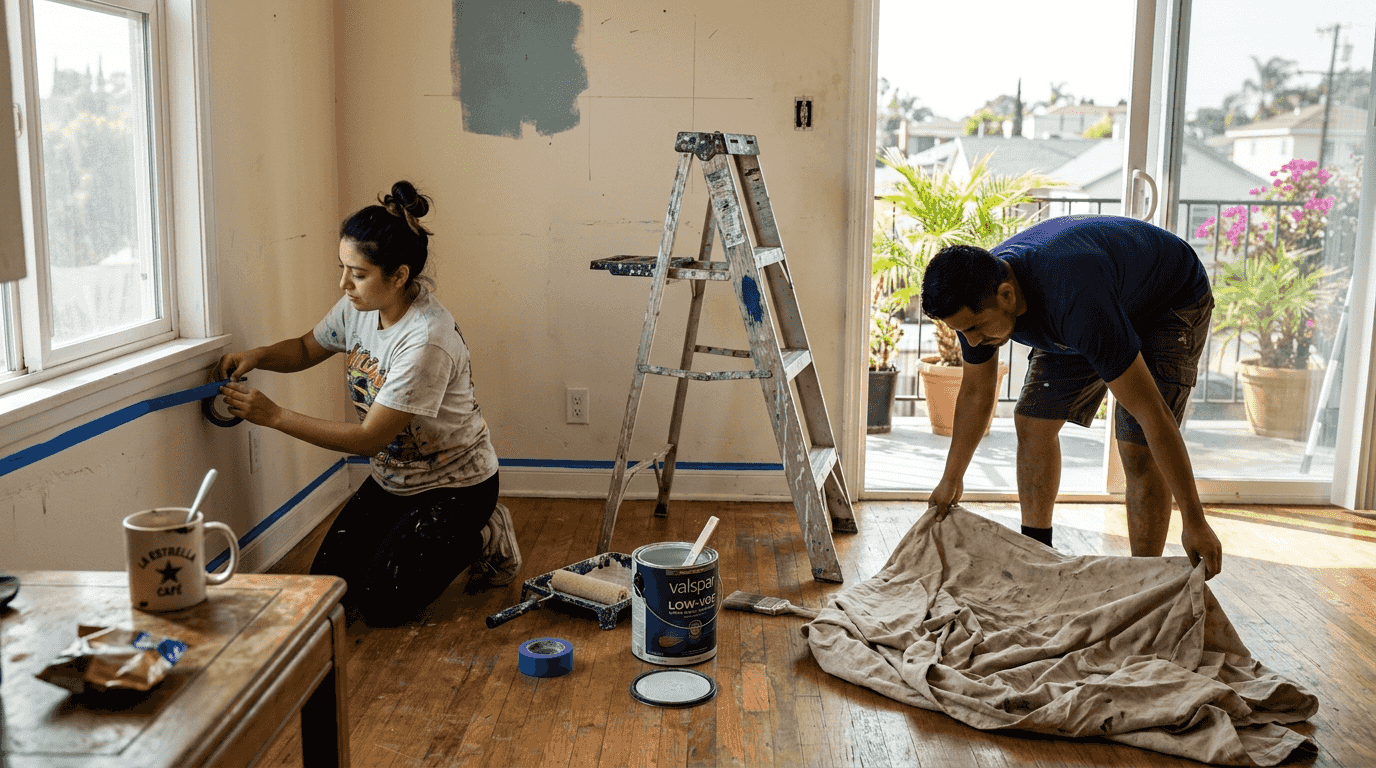
Traditional paints release volatile organic compounds that compromise indoor air quality and contribute to environmental pollution. In Los Angeles, where air quality regulations are among the strictest in the nation, choosing low-VOC paint has become essential for homeowners and property managers. This guide walks you through selecting, preparing, and applying low-VOC paint to create healthier, eco-friendly spaces while meeting California’s stringent environmental standards. You’ll learn practical techniques for both interior and exterior applications, troubleshooting common challenges, and maintaining your paint job for lasting results.
Table of Contents
Key takeaways
Point | Details |
Health benefits | Low-VOC paints reduce indoor air pollution by up to 90% compared to traditional formulations. |
Regulatory compliance | California’s strict VOC limits require proper paint selection to meet regional air quality standards. |
Application techniques | Proper surface preparation and thin, even coats ensure optimal adhesion and durability. |
Cost considerations | Initial premium of 10-20% is offset by improved health outcomes and environmental benefits. |
Certification support | Using low-VOC paints contributes to LEED and other green building certifications. |
Preparing for low-VOC paint application: what you need to know
Before you start painting, understanding California’s regulatory landscape helps you make informed product choices. VOC content regulations enforced by South Coast AQMD and other regional air boards set strict limits on paint formulations. These rules protect air quality but also mean you need to verify that your chosen paint meets local standards.
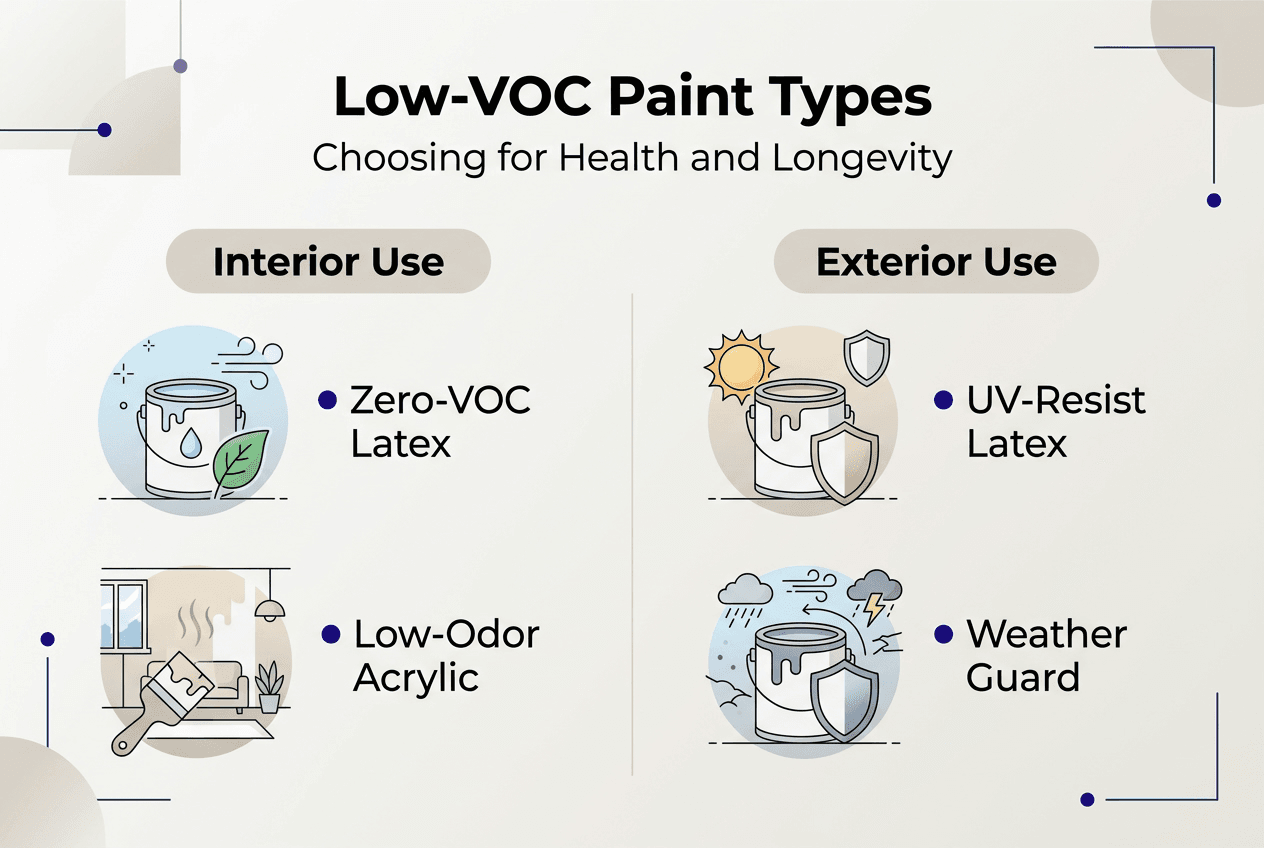
Low-VOC paints come in various formulations, each with distinct performance characteristics. Water-based latex options dominate the market, offering easy cleanup and quick drying times. Oil-based low-VOC alternatives provide superior adhesion for challenging surfaces but require mineral spirits for cleanup. When comparing products, look beyond the VOC number to examine coverage rates, durability ratings, and color retention.
Pro Tip: Read labels carefully because zero-VOC claims can be misleading. Products labeled zero-VOC may still contain up to 5 grams per liter of VOCs, and adding tint can increase VOC content significantly.
Cost varies widely across low-VOC paint lines. Premium formulations cost 10-20% more than traditional paints, but budget-friendly options have improved dramatically. Consider total project cost including primer, which low-VOC paints often require for optimal adhesion. Many low-VOC paint options in Los Angeles balance performance and affordability.
Paint Type | VOC Content | Best Use | Typical Cost |
Zero-VOC latex | Under 5 g/L | Interior walls, ceilings | $45-65/gallon |
Low-VOC latex | 50-150 g/L | Interior/exterior general | $35-55/gallon |
Low-VOC acrylic | 50-100 g/L | Exterior surfaces | $40-60/gallon |
Low-VOC primer | 50-200 g/L | Surface preparation | $30-50/gallon |
Gather proper tools before starting your project. High-quality synthetic brushes work best with water-based low-VOC paints, while microfiber rollers provide smooth, even coverage. You’ll need painter’s tape, drop cloths, sandpaper, cleaning supplies, and adequate ventilation equipment. Investing in proper tools ensures professional results and minimizes waste.
Certification labels matter when selecting products. Green Seal and Greenguard certifications verify that paints meet rigorous environmental and health standards. These certifications support your goals if you’re pursuing LEED points or simply want assurance about product safety. The benefits of eco-friendly painting extend beyond immediate air quality to long-term environmental impact.
Step-by-step guide to applying low-VOC paint for indoor and outdoor surfaces
Proper surface preparation determines paint longevity regardless of VOC content. Start by cleaning walls thoroughly to remove dust, grease, and contaminants that prevent adhesion. Use a mild detergent solution and allow surfaces to dry completely. Sand glossy areas lightly to create tooth for the new paint, then wipe away sanding dust with a tack cloth.
Priming becomes especially important with low-VOC formulations. Apply a low-VOC primer to bare surfaces, patched areas, and anywhere you’re making dramatic color changes. Primer seals porous surfaces and creates uniform absorption, preventing blotchy finishes. Let primer cure fully according to manufacturer specifications before topcoating.
Clean and repair all surfaces, filling holes and cracks with appropriate filler.
Sand repaired areas smooth and wipe clean with a damp cloth.
Apply painter’s tape to trim, edges, and areas you want to protect.
Prime bare or patched surfaces with low-VOC primer and let dry completely.
Stir paint thoroughly but avoid vigorous shaking that introduces air bubbles.
Cut in edges and corners with a quality brush before rolling larger areas.
Apply paint in thin, even coats using a W-pattern for uniform coverage.
Allow proper drying time between coats as specified by manufacturer.
Apply second coat for optimal color depth and protection.
Remove tape while final coat is slightly tacky to prevent peeling.
Low-VOC paints often require adjusted application techniques compared to traditional formulations. Work in smaller sections to maintain a wet edge, as some low-VOC paints dry faster than conventional options. Use long, smooth strokes and avoid overworking the paint, which can cause lap marks or uneven texture. Studies show 90% reduction in VOC emissions with proper low-VOC paint application.
Pro Tip: Temperature and humidity significantly affect low-VOC paint performance. Paint when temperatures range between 50-85°F and humidity stays below 70% for best results.
Exterior applications demand extra attention to surface preparation and product selection. Pressure wash exterior surfaces to remove dirt, mildew, and loose paint. Scrape and sand any remaining loose material until you reach sound substrate. Address moisture issues before painting because trapped moisture causes premature failure regardless of paint quality.
Choose exterior-grade low-VOC paints formulated for UV resistance. Premium lines demonstrate higher durability in sunlight exposure common to Los Angeles. Apply exterior paint during mild weather, avoiding direct sun on surfaces you’re painting. Early morning or late afternoon application times often provide ideal conditions. Follow expert exterior painting tips for challenging surfaces like stucco or wood siding.
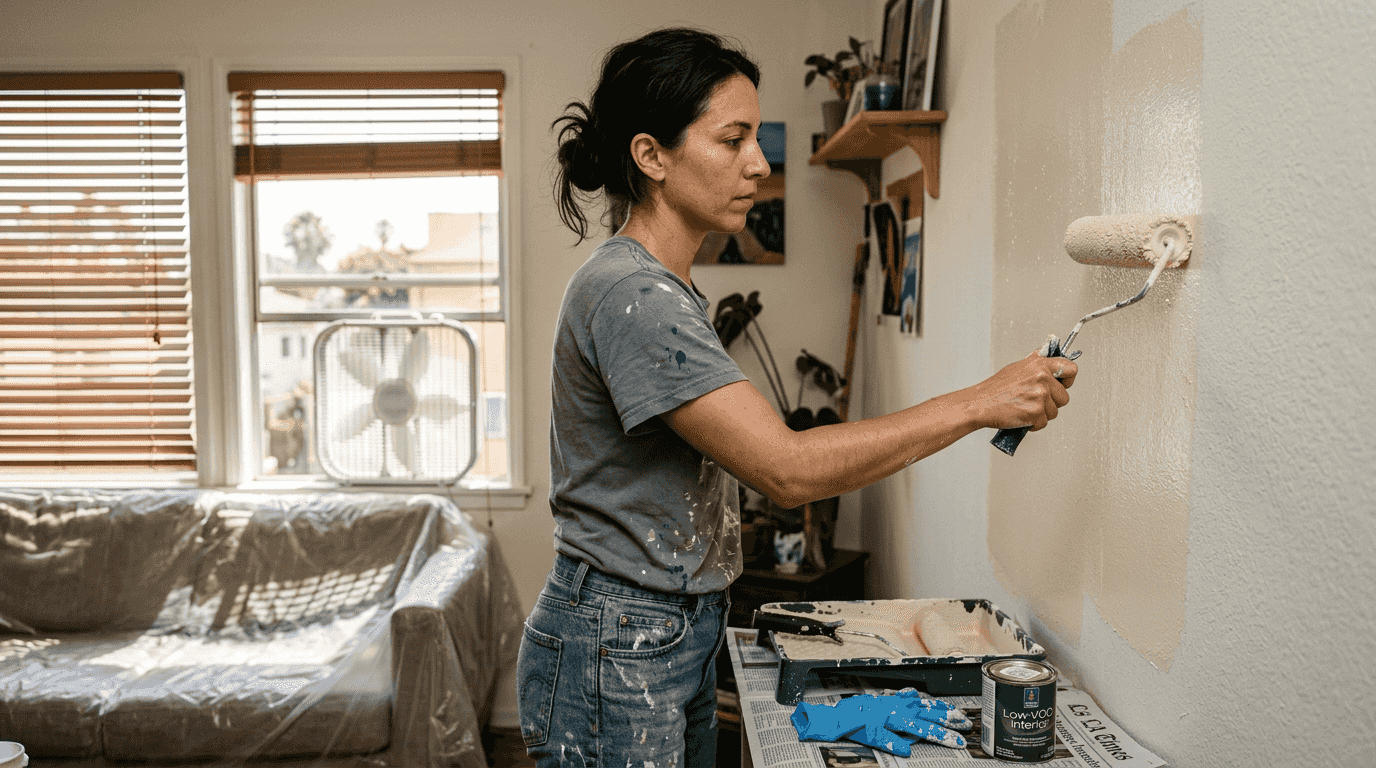
Ventilation remains important even with low-VOC products. Open windows and use fans to maintain air circulation during interior painting. While VOC levels are dramatically reduced, proper airflow speeds drying and removes any residual odors. Continue ventilating the space for 48-72 hours after painting for optimal air quality. Review exterior residential painting options to see professional application results.
Common challenges and troubleshooting during low-VOC paint application
Low-VOC paints sometimes exhibit different flow and leveling characteristics than traditional formulations. If you notice the paint dragging or not spreading smoothly, check your application temperature. Cold conditions thicken paint, while excessive heat causes it to dry too quickly. Bring paint to room temperature before use and maintain consistent workspace conditions.
Uneven coverage often results from inadequate surface preparation or skipping primer. If your first coat looks blotchy, resist the urge to apply extra-thick subsequent coats. Instead, allow proper drying time and apply additional thin coats until you achieve uniform appearance. Thick application creates runs, sags, and extended drying times that compromise results.
Poor adhesion usually indicates contaminated surfaces or incompatible primers
Visible brush marks suggest overworking the paint or using wrong brush type
Slow drying can result from high humidity or inadequate ventilation
Color inconsistency often comes from insufficient stirring or mixing different batches
Peeling typically indicates moisture problems or insufficient surface preparation
Health and safety considerations extend beyond VOC content. South Coast AQMD is amending rules to address exempt compounds with identified cancer risks. Even low-VOC paints contain chemicals requiring proper handling. Wear appropriate protective equipment including gloves and eye protection. Ensure adequate ventilation throughout the project, and store paint products away from heat sources and out of reach of children.
Outdoor durability challenges in Los Angeles stem from intense UV exposure and occasional coastal humidity. If exterior paint shows premature fading or chalking, you may need to upgrade to premium low-VOC formulations designed for harsh sun exposure. Regular cleaning and inspection help you catch problems early. Address any moisture intrusion immediately to prevent substrate damage that paint cannot fix.
Pro Tip: Keep detailed records of paint brands, colors, and batch numbers. This information proves invaluable for touch-ups and helps you replicate successful results in future projects.
Odor concerns occasionally arise even with low-VOC products. While dramatically reduced compared to traditional paints, some sensitivity to smell may occur. Increase ventilation and consider using activated charcoal or baking soda to absorb residual odors. Most low-VOC paint smell dissipates within 24-48 hours with proper airflow. Apply exterior painting preparation techniques to minimize application issues.
Understanding the difference between low-VOC and zero-VOC helps set realistic expectations. No paint is completely free of all chemicals, but modern low-VOC formulations offer dramatic improvements in air quality and environmental impact compared to products from even a decade ago.
Verifying results: maintaining and assessing your low-VOC paint job
Inspecting your completed paint job systematically ensures you catch any issues while correction remains simple. Walk through painted areas in different lighting conditions because defects often appear more prominently in natural light or at certain angles. Look for missed spots, uneven coverage, drips, or areas where tape removal caused damage. Address minor imperfections with careful touch-ups using the same application techniques.
Examine all painted surfaces in both natural and artificial light.
Check edges, corners, and trim for complete coverage and clean lines.
Look for texture inconsistencies that might indicate application problems.
Test adhesion gently in inconspicuous areas after full cure time.
Document any areas requiring touch-up or additional attention.
Schedule regular maintenance to preserve your low-VOC paint investment. Interior surfaces benefit from gentle cleaning with mild soap and water every few months. Avoid harsh chemicals or abrasive scrubbers that damage paint film. Exterior surfaces need annual inspection and cleaning to remove accumulated dirt, mildew, and environmental contaminants that degrade appearance.
Clean painted surfaces with pH-neutral cleaners and soft cloths
Address stains promptly before they set or penetrate paint film
Touch up chips or scratches immediately to prevent moisture intrusion
Monitor high-traffic areas for wear and plan proactive repainting
Keep extra paint properly sealed for future touch-ups and repairs
Low-VOC paint choices support sustainability certifications that enhance property value. Using low-VOC paints contributes to LEED certification by earning points in materials and indoor environmental quality categories. Document your paint choices with product data sheets and receipts if you’re pursuing green building certification. This documentation proves valuable for resale and demonstrates your commitment to environmental responsibility.
Maintenance Task | Frequency | Purpose | Method |
Interior cleaning | Quarterly | Remove surface dirt | Mild soap, soft cloth |
Exterior washing | Annually | Prevent mildew, dirt buildup | Low-pressure wash |
Touch-up inspection | Semi-annually | Catch damage early | Visual examination |
Full repainting | 5-10 years interior, 7-15 exterior | Refresh appearance, protection | Professional assessment |
Air quality monitoring provides objective verification of your low-VOC paint benefits. Simple indoor air quality meters measure VOC levels and help you track improvements after painting. You should notice dramatically lower readings compared to traditional paint applications. Maintain these benefits by continuing to use low-VOC products for future projects and repairs.
Keep detailed maintenance records including dates, products used, and areas addressed. This documentation helps you establish effective maintenance schedules and provides valuable information for future property owners. Photography before, during, and after painting creates visual records useful for insurance purposes and tracking long-term performance. Access painting maintenance tips for ongoing care strategies.
Proper storage of leftover paint extends its usability for touch-ups. Seal cans tightly and store in temperature-controlled areas away from freezing or excessive heat. Label cans clearly with room names and application dates. Most low-VOC paints remain usable for 2-3 years when stored properly. Refer to low-VOC paint maintenance guidance for specific product recommendations.
Discover expert low-VOC painting services in Los Angeles
While DIY painting offers satisfaction and cost savings, professional application ensures optimal low-VOC paint performance and longevity. Experienced painters understand the nuances of different formulations and know how to handle California’s unique environmental conditions. They bring specialized equipment, proven techniques, and efficiency that saves you time while delivering superior results.

Johnny’s Custom Painting specializes in eco-friendly painting solutions tailored to Los Angeles homeowners and property managers. With over 16 years of experience, our team expertly applies low-VOC paints for both residential and commercial projects. We understand local regulations, climate challenges, and the latest sustainable painting technologies. Explore our interior residential painting portfolio to see quality craftsmanship, or review exterior residential painting projects showcasing durability and aesthetic appeal. For commercial properties seeking green building compliance, our interior commercial painting services deliver professional results that support your sustainability goals.
Frequently asked questions
What does low-VOC paint mean exactly?
Low-VOC paint contains 50 grams per liter or less of volatile organic compounds, significantly reducing harmful emissions compared to traditional formulations. Zero-VOC paints contain less than 5 grams per liter, though adding tint can increase VOC content. These products improve indoor air quality by minimizing off-gassing during and after application, creating healthier living and working environments while meeting California’s strict environmental regulations.
Can low-VOC paints be used effectively outdoors in Los Angeles?
Yes, but product selection matters significantly for outdoor durability. Premium low-VOC paints offer superior UV resistance essential for Los Angeles’ intense sunlight exposure. Proper surface preparation becomes even more critical for exterior applications to ensure adhesion and longevity. Choose exterior-grade formulations specifically designed for UV protection and weather resistance. Review exterior residential painting options to see successful outdoor applications.
Are low-VOC paints more expensive than traditional paints?
Low-VOC paints typically cost 10-20% more initially than conventional options, but this premium delivers significant value. Reduced health risks, improved indoor air quality, and environmental benefits justify the investment for most homeowners and property managers. The cost difference continues narrowing as low-VOC technology improves and becomes more widespread. Using low-VOC paints also supports green building certifications that can increase property value. Learn more about benefits of eco-friendly painting beyond initial cost considerations.
How do low-VOC paints improve indoor air quality?
Low-VOC paints release fewer volatile chemicals during application and curing, reducing VOC emissions by up to 90% compared to traditional formulations. This dramatic reduction minimizes respiratory irritation, headaches, and other health effects associated with paint fumes. Benefits continue long after painting as low-VOC paints off-gas minimal compounds over their lifespan. Improved air quality particularly benefits children, elderly individuals, and those with respiratory sensitivities or chemical sensitivities.
How long do low-VOC paints take to dry and cure?
Drying times for low-VOC paints vary by formulation but generally match or slightly exceed traditional paints. Most water-based low-VOC paints dry to touch within 1-2 hours and allow recoating after 4-6 hours. Complete curing takes 2-4 weeks, during which paint reaches full hardness and durability. Temperature and humidity significantly affect drying times, with cooler or more humid conditions extending the process. Plan projects accordingly and avoid heavy use of painted surfaces until fully cured.
Recommended
Comments