
Top interior painting tips for a flawless home makeover

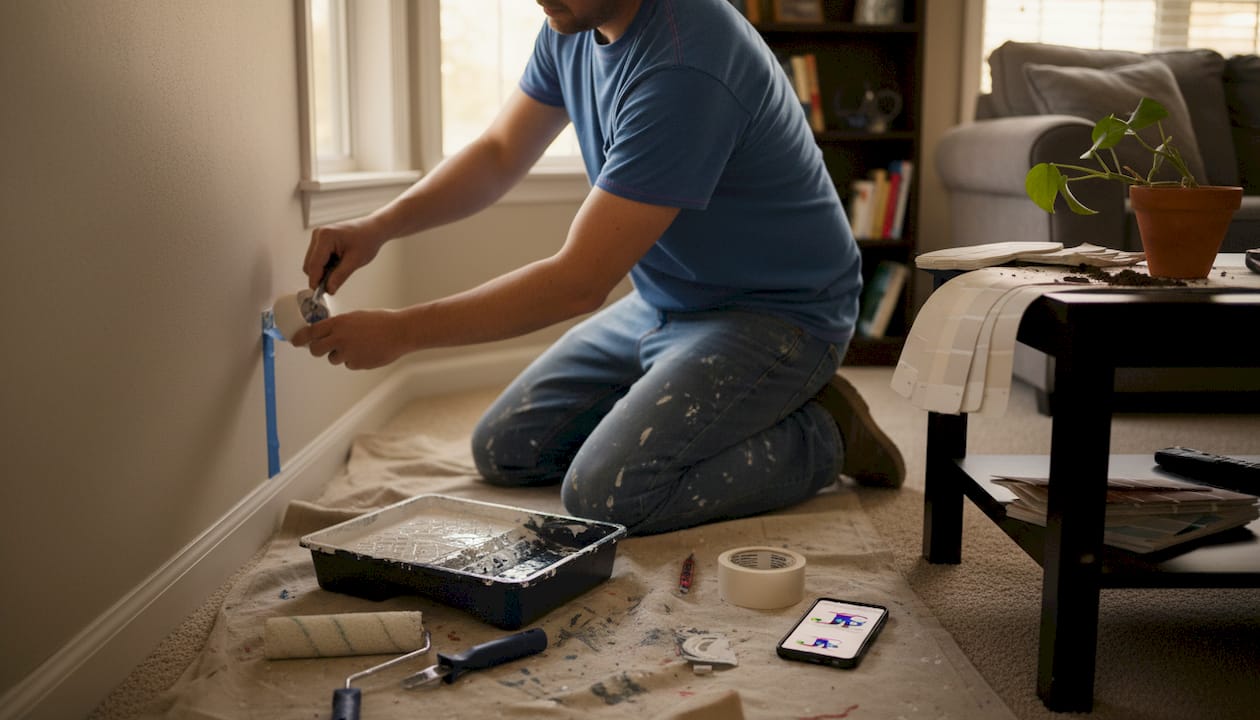
Choosing the right approach for your interior painting project can feel overwhelming. You want beautiful results that last, but navigating paint types, color choices, and application techniques while staying eco-conscious adds complexity. Whether you’re refreshing a single room or transforming your entire Los Angeles home, understanding the fundamentals of quality interior painting helps you make informed decisions. This guide breaks down expert tips on surface preparation, eco-friendly paint selection, professional application methods, and when to call in the pros so you can achieve a stunning, long-lasting finish that enhances your living space.
Table of Contents
Key Takeaways
Point | Details |
Surface prep essential | Thorough cleaning, hole filling, and smoothing walls create a durable, professional looking paint finish. |
Eco friendly paints | Low VOC and zero VOC formulations reduce emissions and improve indoor air quality without sacrificing durability. |
Quality painting tools | Using professional brushes, rollers, and extension poles yields smoother coats and safer, more efficient work. |
Plan with experts | Consult color and project planning guidance to choose finishes, colors, and timelines that fit your lifestyle. |
Essential criteria for successful interior painting
Surface preparation is vital for a long-lasting paint job. Before you even open a paint can, your walls need proper attention. Clean surfaces thoroughly to remove dust, grease, and grime that prevent paint from bonding. Fill holes and cracks with spackling compound, then sand smooth once dry. This groundwork determines whether your paint job looks professional or amateur.
Paint type selection matters more than most homeowners realize. Matte finishes hide imperfections beautifully but show scuffs easily, making them ideal for low-traffic areas like bedrooms. Satin and eggshell finishes offer moderate sheen with better washability, perfect for living rooms and hallways. Semi-gloss and gloss paints withstand moisture and frequent cleaning, which is why they excel in kitchens and bathrooms. Match your paint sheen to how you actually use each space.
Eco-friendly paint choices protect your indoor environment. Low-VOC and zero-VOC formulations minimize harmful chemical emissions that can trigger headaches, respiratory issues, and allergies. These paints have come a long way in performance, now matching traditional paints in coverage and durability. For families with young children, elderly members, or anyone with sensitivities, investing in expert painting tips and healthier paint options makes tremendous sense.
Quality tools deliver quality results. Professional-grade brushes hold more paint and create smoother strokes than cheap alternatives. Rollers with appropriate nap length for your wall texture ensure even coverage. Extension poles let you reach high areas without ladders, reducing fatigue and safety risks. While premium tools cost more upfront, they perform better and last through multiple projects. The benefits of professional painting services often include access to commercial-grade equipment that delivers superior finishes.
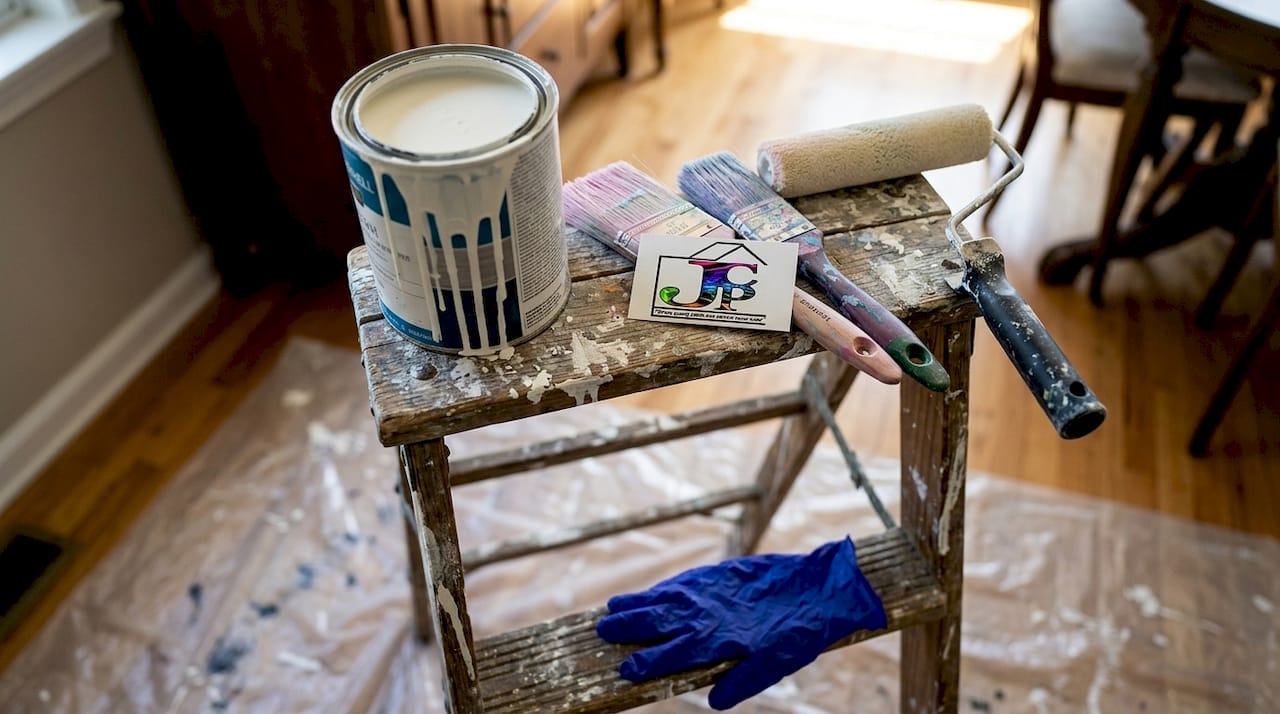
Lighting and room function guide color selection. Natural light changes throughout the day, affecting how colors appear on your walls. Test samples in different lighting conditions before committing to gallons of paint. Consider how you use each room too. Calming blues and greens work well in bedrooms, while energizing yellows and oranges can invigorate kitchens and dining areas. When choosing professional painters, many offer color consultation to help you select wall colors that complement your lifestyle and decor.
Top eco-friendly paint options and their benefits
Low-VOC paints significantly reduce indoor air pollution while maintaining durability. VOC stands for volatile organic compounds, chemicals that evaporate into your air as paint dries. Traditional paints can contain up to 200 grams per liter of VOCs, while low-VOC options have under 50 grams per liter. Zero-VOC paints push even further, containing less than 5 grams per liter. These reduced emission levels mean less odor during application and healthier air quality long after your project finishes.
Health benefits extend beyond just avoiding paint fumes. Conventional paints release VOCs for months or even years after application, contributing to poor indoor air quality. Switching to eco-friendly alternatives helps prevent headaches, dizziness, and respiratory irritation. For children and pets who spend significant time close to walls and floors, minimizing chemical exposure becomes especially important. Families dealing with asthma or allergies often notice dramatic improvements after switching to low-VOC formulations.
Several paint brands lead the eco-friendly movement with certified green products. Look for certifications like Green Seal, Greenguard Gold, or EPA Safer Choice labels that verify environmental claims. Many major manufacturers now offer extensive low-VOC lines that perform as well as traditional paints. These formulations provide excellent coverage, rich colors, and long-lasting durability without compromising your health or the environment. The eco-friendly painting tips from experienced contractors can help you navigate brand options.
Pro Tip: Always test paint samples before purchasing full quantities. Buy small sample containers of your top color choices and paint 2-foot squares on different walls in the room. Live with these samples for several days, observing how they look in morning light, afternoon sun, and evening artificial lighting. Check for adequate coverage and note any lingering odor. This small investment prevents costly mistakes and ensures you love your final choice. Professional painters often recommend this approach because lighting dramatically affects color perception.
Sustainable painting practices go beyond just paint selection. Choose painters who properly dispose of materials, recycle containers when possible, and minimize waste. Water-based paints clean up with soap and water rather than harsh chemical solvents, reducing environmental impact. The professional painting benefits often include responsible waste management and eco-conscious practices that DIY projects might overlook.
Professional application techniques for a flawless finish
Proper application techniques ensure durability and smooth finishes. Follow these steps for professional results:
Remove furniture and cover floors with drop cloths, securing edges with painter’s tape
Clean walls thoroughly with TSP solution or mild detergent, then rinse and let dry completely
Fill holes and cracks with spackling compound, sand smooth when dry, and wipe away dust
Apply painter’s tape along trim, ceiling edges, and any areas you want to protect
Prime walls if painting over dark colors, new drywall, or stained surfaces
Cut in edges with a quality brush, painting a 2-3 inch border around all tape lines
Roll walls using a W pattern, maintaining wet edges to avoid lap marks
Apply second coat after first coat dries completely, usually 2-4 hours depending on conditions
Remove tape while final coat is slightly tacky for cleanest lines
Clean tools immediately and inspect walls for any touch-ups needed
Choosing the right application tool makes a significant difference in your final results.
Tool | Best For | Pros | Cons |
Brush | Trim, edges, detailed work | Precise control, reaches tight spaces | Slower coverage, visible brush marks if rushed |
Roller | Large flat surfaces, walls, ceilings | Fast coverage, smooth finish | Cannot reach corners, requires cutting in first |
Sprayer | Extensive projects, cabinets, textured surfaces | Fastest application, ultra-smooth finish | Requires masking entire room, overspray issues, learning curve |
Pro Tip: Maintaining wet edges prevents visible lap marks that ruin an otherwise perfect paint job. Work in sections small enough to complete before the edge dries, typically 3-4 feet wide. When rolling walls, slightly overlap each pass while the previous section remains wet. Never let paint dry to a hard edge before continuing, as this creates visible lines no amount of additional coats will hide. Professional painters work systematically to maintain these wet edges throughout the entire room.
Timing and environmental conditions affect paint performance dramatically. Most paints require temperatures between 50-85°F for proper drying and curing. High humidity slows drying times and can cause paint to remain tacky or develop mildew. Low humidity causes paint to dry too quickly, preventing proper leveling and increasing brush marks. Plan your home painting transformation during mild weather when you can maintain ideal conditions. Proper drywall repair tips ensure your surface is ready for flawless paint application.
Respect drying intervals between coats. Rushing this step causes the fresh coat to lift or drag the previous layer, creating a mess. Read your paint can for specific recoat times, which vary by formulation. Water-based paints typically dry faster than oil-based options. When hiring the best painters, their experience with timing ensures optimal results without delays.
Choosing between DIY and professional painting services
DIY painting offers clear advantages for budget-conscious homeowners. You control the timeline, working evenings or weekends as your schedule allows. Material costs represent your only expense, potentially saving hundreds or thousands compared to hiring contractors. The satisfaction of completing your own home improvement project brings personal pride. Small, straightforward rooms like bedrooms or home offices make excellent DIY candidates if you have basic skills and patience.
However, DIY limitations become apparent on larger or complex projects. Painting requires significant time investment that many homeowners underestimate. Physical demands like climbing ladders, reaching high areas, and repetitive motions can cause fatigue or injury. Without experience, achieving truly professional results proves challenging. Mistakes with prep work, paint selection, or application techniques can cost more to fix than hiring professionals initially would have cost.
Professional painters deliver higher quality finishes and save time. Licensed contractors bring years of experience handling diverse surfaces, challenging layouts, and potential complications. They complete projects faster because painting is their full-time profession, not a weekend hobby. Professional crews have commercial-grade equipment that produces superior results compared to consumer tools. Insurance protects you if accidents occur, while warranties guarantee the work meets quality standards.
“Hiring experienced painters transformed our home beyond what we imagined possible. The attention to detail, smooth finishes, and eco-friendly materials they used exceeded our expectations. What would have taken us weeks of stressful work, they completed professionally in days. The investment was absolutely worth it for the quality and peace of mind.” - Los Angeles Homeowner
Vetting professional painters ensures you hire qualified, eco-conscious contractors. Verify licensing and insurance before signing contracts. Request references from recent projects similar to yours. Ask specifically about their experience with low-VOC paints and sustainable practices. Review their portfolio to assess quality and style compatibility. Get detailed written estimates from multiple contractors to compare pricing and scope. The professional painting advantages become clear when you see the difference experience makes.
Consider hiring professionals when projects involve high ceilings, intricate trim work, exterior surfaces, or tight deadlines. If you lack confidence in your skills or simply want guaranteed results, professional painters provide tremendous value. For homeowners with busy schedules, physical limitations, or perfectionist standards, the cost difference becomes a worthwhile investment in quality and convenience. Finding professional painters who share your values around craftsmanship and environmental responsibility ensures your project succeeds.
Transform your Los Angeles home with Johnny’s Custom Painting
Ready to elevate your interior spaces with expert craftsmanship and eco-friendly solutions? Johnny’s Custom Painting brings over 16 years of experience to every residential project in Los Angeles. Our team specializes in delivering flawless finishes using premium low-VOC paints that protect your family’s health while creating stunning visual results.

We understand that your home deserves more than a basic paint job. Our meticulous surface preparation, attention to detail, and commitment to quality ensure your interior painting project exceeds expectations. From color consultation to final inspection, we guide you through every step with professionalism and transparency. Explore our interior residential painting portfolio to see the diverse styles and finishes we’ve created for satisfied Los Angeles homeowners. Contact us today for a free consultation and discover why we’re the top-rated Los Angeles painting contractor for homeowners who value quality and environmental responsibility.
Frequently asked questions about interior painting
How long does interior paint take to dry?
Most latex paints dry to the touch within 1-2 hours but require 2-4 hours before applying a second coat. Full curing takes 2-4 weeks, during which you should avoid scrubbing or placing objects against walls. Temperature and humidity significantly affect drying times.
What is the best paint finish for high-traffic areas?
Satin or semi-gloss finishes work best in high-traffic areas like hallways, kitchens, and bathrooms. These sheens withstand frequent cleaning and resist scuffs better than flat or matte paints. Semi-gloss offers maximum durability for areas that need regular washing.
Are low-VOC paints really safer?
Yes, low-VOC paints emit significantly fewer harmful chemicals than traditional paints, reducing indoor air pollution by up to 75%. They minimize headaches, respiratory irritation, and long-term health risks while performing comparably to conventional paints. Families with children, elderly members, or sensitivities benefit most from these formulations.
How can I prevent paint from peeling?
Proper surface preparation prevents most peeling issues. Clean walls thoroughly, repair damage, prime when necessary, and ensure surfaces are completely dry before painting. Use quality paint appropriate for the surface and conditions. Moisture problems like leaks must be resolved before painting or peeling will recur.
Do I need to prime before painting?
Priming is essential when painting new drywall, covering dark colors with lighter shades, or painting over stains and repairs. Primer seals surfaces, improves paint adhesion, and ensures even color coverage. For light color changes on previously painted walls in good condition, you can often skip primer and apply two coats of quality paint instead.
Recommended
Comments