
Understanding paint sheen: Make the right choice for your LA home

TL;DR:
Paint sheen affects appearance, durability, and ease of maintenance in home interiors.
Proper measurement and pairing sheen to room function ensure professional results.
Considering lighting, wall condition, and lifestyle is essential for optimal sheen choice.
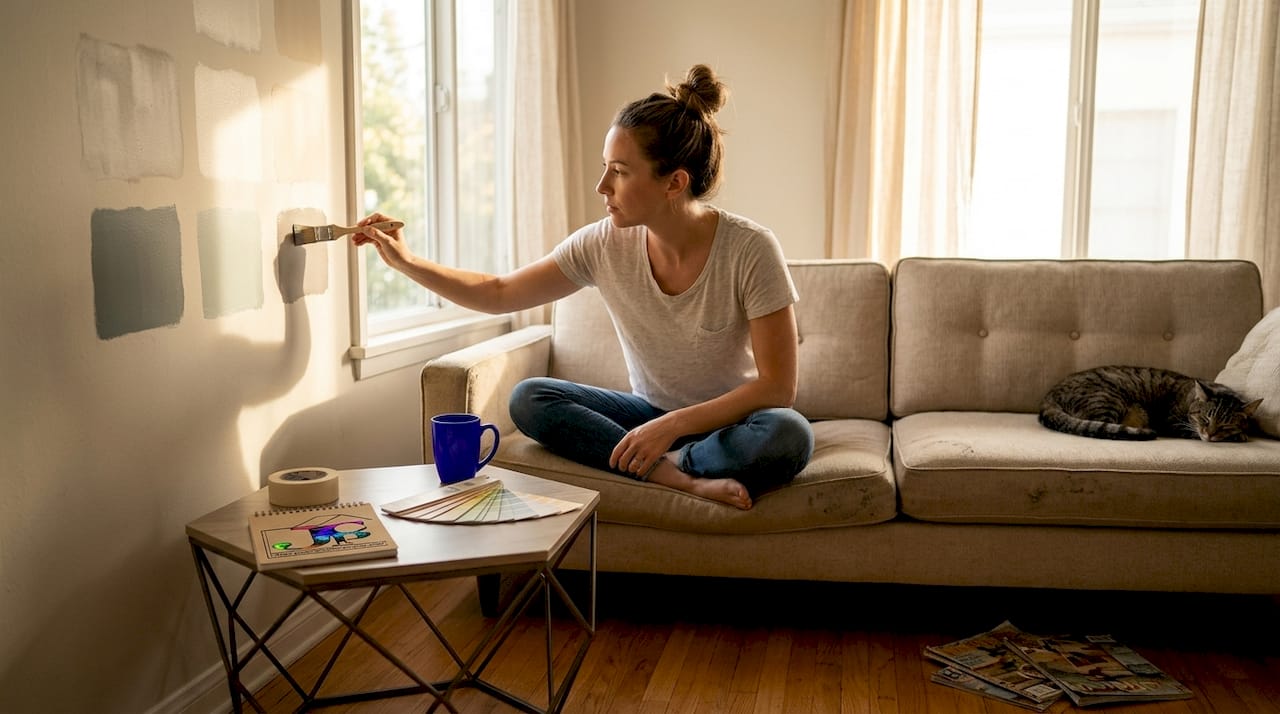
Most homeowners walk into a paint store, pick a color they love, and then freeze when the salesperson asks, “What sheen do you want?” Many just guess, or worse, default to whatever was already on the wall. That single decision can mean the difference between a room that looks polished and one that shows every scuff, fingerprint, and wall imperfection within six months. Understanding paint sheen is not complicated, but getting it wrong is costly. This guide breaks down exactly what sheen means, how it works, and how to choose the right one for every room in your Los Angeles home.
Table of Contents
Key Takeaways
Point | Details |
Sheen influences both look and function | Paint sheen determines not just appearance but also durability and ease of maintenance for every room. |
Different rooms need different sheens | Choosing the right sheen for each space means better aesthetics and more practical maintenance in LA homes. |
Measurement standards matter | Paint sheen is measured by industry-standard methods so you can compare products confidently. |
Patch testing helps prevent mistakes | Always try paint samples and check sheen in your room’s lighting for best results. |
What is paint sheen and how is it measured?
Paint sheen refers to how shiny or reflective a painted surface looks once the paint has dried. Think of it this way: a flat surface absorbs light, while a glossy surface bounces it back at you. The more light a surface reflects, the higher the sheen. This is not just a visual preference. It directly affects how the paint performs, how easy it is to clean, and how long it lasts.
Professionals do not guess at sheen levels. They measure them. Sheen is quantified using a device called a gloss meter, which shines a beam of light at a surface and measures how much bounces back. The gloss measurement standard most commonly used is ASTM D523, which tests reflectivity at three angles: 20 degrees for high-gloss surfaces, 60 degrees for mid-range sheens, and 85 degrees for matte and flat finishes. The result is expressed in gloss units, and higher numbers mean a glossier surface.
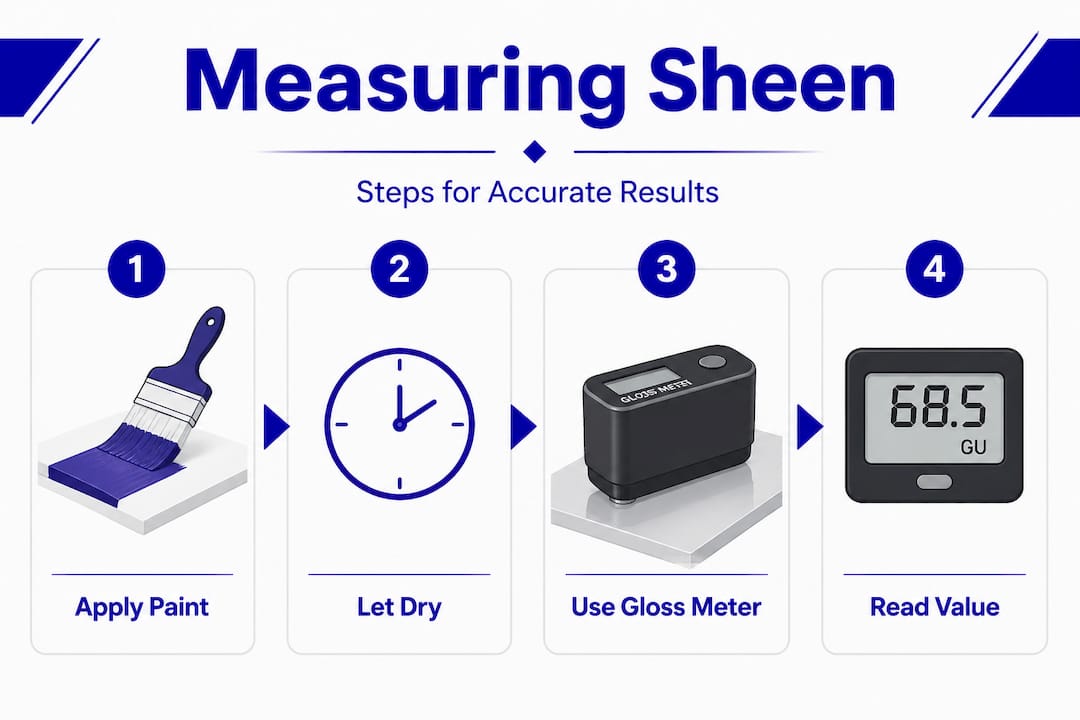
Why does the angle matter? Because different sheen levels reflect light differently, and using the wrong angle would give you a meaningless reading. A flat paint measured at 20 degrees would show almost no reflectivity, but that does not tell you much. Measuring it at 85 degrees gives you a useful number. This is the kind of nuance that separates a professional approach from a guess. If you want to understand more about how paint quality and durability connect to sheen, it starts right here with the science of light reflection.
Sheen Level | Gloss Unit Range (60°) | Typical Uses |
Flat/Matte | 0 to 5 | Ceilings, low-traffic walls |
Eggshell | 10 to 25 | Living rooms, bedrooms |
Satin | 26 to 40 | Hallways, family rooms |
Semi-gloss | 41 to 70 | Kitchens, bathrooms, trim |
Gloss | 71 to 100 | Doors, cabinets, exterior trim |
“The right gloss measurement angle makes all the difference. Comparing a matte paint reading at 60° to a gloss paint reading at the same angle can be misleading. Professionals use the geometry that matches the sheen level to get meaningful, comparable results.”
Pairing sheen knowledge with a broader LA paint finish guide helps you move from theory to real decisions faster.
Types of paint sheen: From flat to gloss
With the basics of sheen and measurement covered, let’s look at what these sheen levels really look like in your home. There are five main sheen categories you will encounter when shopping for interior paint, and each one has a distinct personality.
Flat/Matte is the lowest sheen available. It absorbs light rather than reflecting it, which creates a soft, velvety appearance. It is excellent for hiding surface imperfections like small cracks, nail pops, or uneven drywall texture. The downside is that it is not very washable. Scrubbing a flat-painted wall too aggressively can leave shiny spots or remove the paint entirely.
Eggshell has a very subtle sheen, similar to the surface of an actual eggshell. It is slightly more durable than flat and can handle light cleaning. Most interior designers favor eggshell for living rooms and bedrooms because it offers a refined look without being too shiny.
Satin sits in the middle of the sheen spectrum. It has a soft glow that reads as clean and modern. Satin is noticeably more durable than eggshell and can handle regular wiping. It is a popular choice for hallways, kids’ rooms, and family spaces that see daily activity.
Semi-gloss reflects quite a bit of light and has a noticeable shine. It is highly durable and moisture-resistant, which makes it the go-to choice for kitchens, bathrooms, and trim work. The tradeoff is that it will highlight every bump, crack, or imperfection on the surface beneath it.
Gloss is the shiniest option. It is extremely durable, easy to clean, and creates a bold, lacquered look. Gloss is typically reserved for doors, cabinets, and exterior trim where maximum durability is needed. It requires excellent surface preparation because it hides nothing.
As residential sheen guides consistently show, lower-sheen finishes like flat, matte, and eggshell work best for walls and ceilings, while higher sheens like satin, semi-gloss, and gloss are better suited for trim, doors, and moisture-prone areas.
Pros and cons at a glance:
Flat/Matte: Hides imperfections well, great for ceilings. Not washable, marks easily.
Eggshell: Soft, elegant look, slightly washable. Not ideal for kitchens or bathrooms.
Satin: Durable and easy to clean, versatile. Can show lap marks if applied unevenly.
Semi-gloss: Very washable, moisture-resistant. Highlights surface flaws.
Gloss: Maximum durability and cleanability. Requires perfect surface prep, very unforgiving.
Pro Tip: Match sheen to the function of the room, not just the look you want. A beautiful flat finish in a kitchen will look dingy within months. A gloss finish in a bedroom can feel cold and clinical. Think about how the room is used before you commit to a sheen level.
For more guidance on choosing your paint finish, it helps to think about traffic, moisture, and lighting all at once.
How paint sheen affects aesthetics and durability
Knowing the main sheen types, let’s connect those options to how they affect beauty, lighting, and everyday care. This is where sheen choices get personal, because the same paint color can look dramatically different depending on the sheen you choose.
High-sheen paints amplify light. In a bright, sunny LA home, a semi-gloss or gloss finish can make a room feel vibrant and energetic. In a north-facing room with limited natural light, that same finish can look harsh or cold. Lower sheens, on the other hand, absorb light and create a warmer, more intimate atmosphere. This is why sheen is not just about durability. It is a design tool.
The tradeoff with high-sheen finishes is that they are brutally honest about what is underneath them. Every dent, brush mark, and imperfection in the wall becomes visible. Increased sheen increases durability but can show imperfections more, which is why surface preparation becomes even more critical when you go glossier. Sanding, priming, and filling cracks before painting is non-negotiable if you want a high-sheen finish to look good.
Here is a practical way to match sheen to your lifestyle:
Assess the traffic level. High-traffic areas like hallways, kitchens, and kids’ rooms need at least a satin finish to hold up to daily contact and cleaning.
Check for moisture exposure. Bathrooms and laundry rooms need semi-gloss or higher to resist humidity and prevent mildew growth on the paint surface.
Evaluate your wall condition. If your walls have texture, old repairs, or uneven surfaces, stick with eggshell or flat to minimize how much those flaws show.
Consider your lighting. Test paint samples under both natural and artificial light before committing. Sheen reacts differently to LED, incandescent, and natural daylight.
Think about maintenance habits. If you have young kids or pets, you want a finish you can actually wipe down without damaging the paint.
Staying on top of paint maintenance tips becomes much easier when you have chosen the right sheen from the start. And if you are planning a full interior refresh, reviewing interior painting tips before you begin can save you significant time and money.
Choosing the right paint sheen for every room
With a grasp on performance and appearance, you are ready for practical advice on picking the right sheen for each space. Here is a room-by-room breakdown that accounts for Los Angeles’s climate, lifestyle, and design trends.
Bedrooms are personal spaces where comfort matters most. Eggshell is the top choice here. It creates a soft, restful atmosphere and handles light cleaning. If you have textured walls or older plaster, flat is also a solid option.
Living rooms benefit from eggshell or satin. Eggshell works well in formal living rooms that see moderate use. Satin is better for open-concept spaces that flow into dining or kitchen areas where more activity happens.
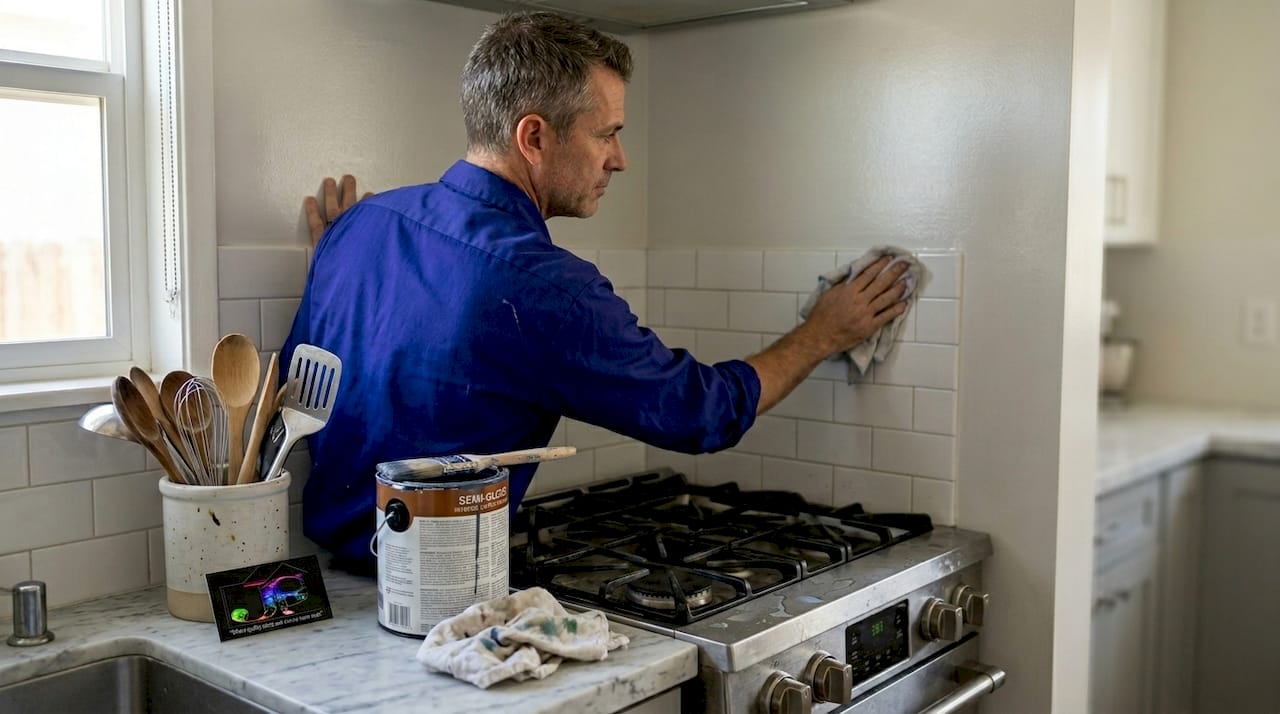
Kitchens need durability above all else. Semi-gloss is the standard recommendation because it handles grease, steam, and frequent wiping without breaking down. Some homeowners opt for satin on walls and semi-gloss on cabinets and trim for a layered look.
Bathrooms are the most moisture-heavy rooms in any home. Semi-gloss is the minimum you should use here. Gloss is even better for shower surrounds and areas that get direct water contact. Anything lower will absorb moisture and eventually peel or mildew.
Trim, doors, and baseboards throughout the home almost always look best in semi-gloss or gloss. These surfaces take a beating from hands, shoes, and furniture, and the higher sheen makes cleaning easy while giving trim a crisp, defined look.
Ceilings are almost universally painted in flat white. Ceilings rarely need cleaning, and flat hides the texture and imperfections that are common on most ceiling surfaces.
Bedrooms: Eggshell or flat
Living rooms: Eggshell or satin
Kitchens: Semi-gloss on cabinets and trim, satin on walls
Bathrooms: Semi-gloss or gloss
Hallways: Satin
Trim and doors: Semi-gloss or gloss
Ceilings: Flat
These residential sheen recommendations align with what professional painters consistently apply in homes across Los Angeles.
Pro Tip: Before committing to a sheen, paint a 12-by-12-inch patch on the actual wall and observe it at different times of day. Morning light, afternoon sun, and evening artificial lighting will all reveal different qualities of the sheen. What looks perfect at noon can look completely different at 7 p.m.
For more detailed guidance, reviewing professional painting tips will help you avoid common application mistakes. If you are also considering eco-friendly paint options, many low-VOC paints now come in the full range of sheen levels without sacrificing performance.
The truth about paint sheen: What most guides overlook
After 16 years of painting homes across Los Angeles, we have seen the same mistake happen over and over. Homeowners walk into a paint store, look at a sheen chart on a display board under fluorescent lighting, and make their decision right there. Then they get home, apply the paint, and wonder why it looks nothing like they expected.
The problem is that sheen does not exist in a vacuum. It interacts with your specific walls, your specific lighting, and your specific lifestyle. A satin finish in a home with warm incandescent lighting looks completely different from the same satin finish under cool LED recessed lights. An older home with plaster walls that have been painted and repainted over decades will show sheen differently than new drywall. These are not details that a store chart can account for.
We also see homeowners skip patch testing constantly. It feels like an extra step, and most people are eager to get the job done. But gloss measurement nuance is real. Even within the same sheen category, different brands and formulas can read and look noticeably different on the wall. A patch test costs almost nothing and saves you from a result you will have to live with for years.
Another overlooked factor is household pets. Dog and cat fur, combined with the oils from pet skin, can degrade lower-sheen finishes faster than almost anything else. If you have pets that rub against walls or furniture, bumping up one sheen level from your first instinct is almost always the right call.
Finally, sheen selection is a blend of science, art, and honest self-assessment about how you actually live in your home. The benefits of premium paint are real, but premium paint in the wrong sheen will still disappoint. Get the sheen right first, then invest in quality.
Transform your Los Angeles home with the perfect paint sheen
Choosing the right paint sheen is one of the most impactful decisions you can make for your home’s interior or exterior. The difference between a room that looks professionally done and one that feels off often comes down to sheen selection and application quality.

At Johnny’s Custom Painting, we have spent over 16 years helping Los Angeles homeowners navigate exactly these decisions. From selecting the ideal sheen for sun-drenched coastal rooms to matching finishes across open-concept spaces, our team brings real expertise to every project. Browse our interior painting portfolio to see how the right sheen transforms real LA homes, or explore our exterior residential work for inspiration on curb appeal. Ready to get started? Contact Johnny’s Custom Painting today for a free estimate and personalized sheen recommendations for your home.
Frequently asked questions
What is the difference between paint finish and paint sheen?
Paint sheen refers specifically to the level of shininess or gloss in the paint, measured in gloss units. Paint finish is a broader term that can include texture, application method, and overall surface appearance beyond just reflectivity.
How do I know which paint sheen to use in my kitchen?
Kitchens benefit from semi-gloss or satin sheens, which are durable and easy to clean, making them ideal for high-moisture and high-traffic cooking environments.
Does higher sheen always mean better durability?
Higher sheens are generally more durable and easier to clean, but as sheen and durability research confirms, they also reveal surface imperfections more clearly, so proper prep work becomes essential.
Are there specific standards for measuring paint sheen?
Yes, paint sheen is measured using gloss meters based on ASTM D523 standards, which test light reflectivity at specific angles matched to the gloss level of the surface being measured.
Recommended
Comments