
Trim painting guide: Boost home value and style in LA

TL;DR:
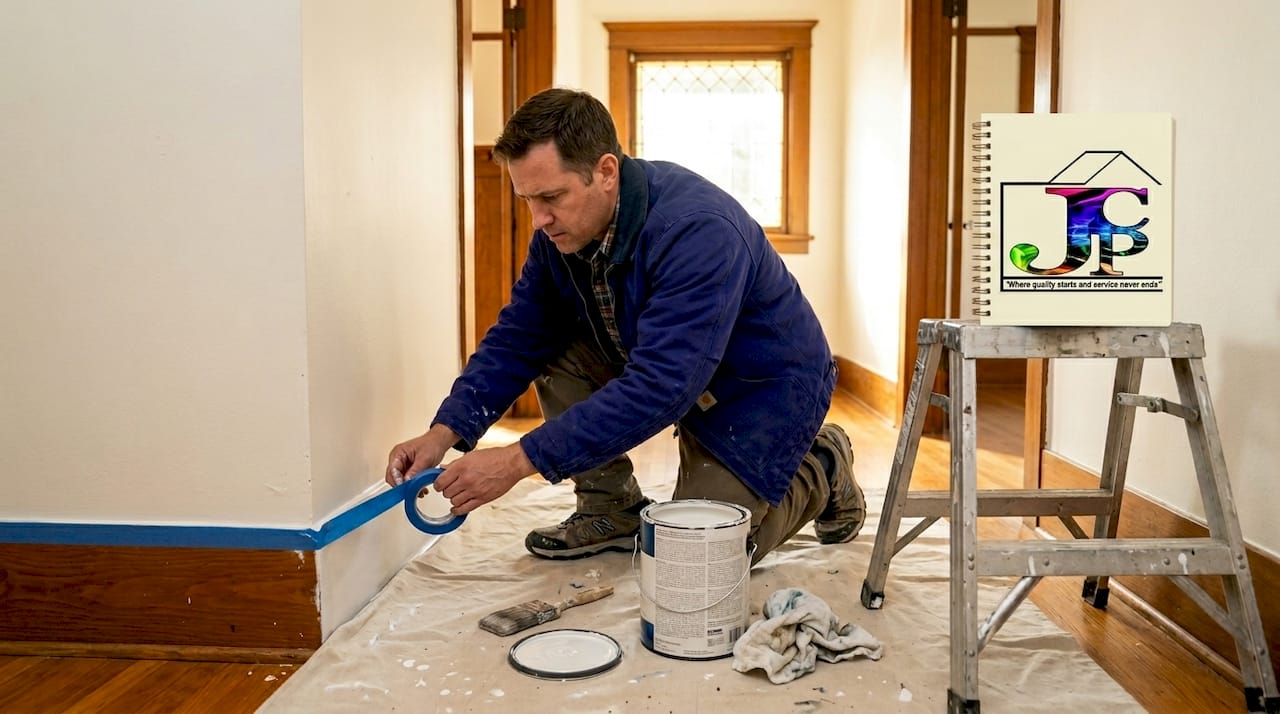
Proper trim painting enhances home appearance and increases property value with minimal investment.
Professionals ensure crisp lines, durable finishes, and climate-appropriate paints for lasting results.
Choosing the right colors and finishes tailored to architectural style elevates your home’s interior and exterior.
Most homeowners treat trim painting as an afterthought, something to squeeze in after the walls are done. That mindset is costing you real money and real curb appeal. Trim painting, done right, is one of the highest-return upgrades you can make to any home in Los Angeles. According to design specialists, a single gallon of trim paint can cover an entire room’s moldings and frames, meaning the material cost is remarkably low compared to the visual payoff. This guide walks you through what trim painting is, why it matters for LA homes, and exactly how the pros get those crisp, lasting results.
Table of Contents
Key Takeaways
Point | Details |
High impact, low cost | Trim painting offers dramatic transformation of your home’s style and value with a modest investment. |
Professional techniques matter | Expert preparation and painting results in lasting quality and durability even with LA’s climate. |
Color and finish choices | Selecting the right trim color and finish enhances design, boosts resale value, and suits local trends. |
Upgrade for maximum curb appeal | Refreshing trim is one of the most efficient steps to make your LA home more attractive to buyers and guests. |
Understanding trim painting: Definition and purpose
Trim painting refers to applying paint specifically to the architectural details of your home rather than the main wall surfaces. These details include baseboards, window casings, door frames, and crown molding. Each of these elements serves a distinct purpose: baseboards protect the lower wall from foot traffic and furniture scuffs, window casings frame your views and seal out drafts, door frames define your entryways, and crown molding creates a polished transition between walls and ceilings. Taken together, they form the visual skeleton of your interior and exterior.
Think of trim as the picture frame around a painting. Even a beautiful wall color can look sloppy and unfinished without crisp, clean trim. On the flip side, a modest wall color paired with sharp, well-painted trim can make a room feel expensive and intentional. That’s the power of paint applied in the right places.
Here are the main areas where trim painting makes a difference in any LA home:
Baseboards: The strip of molding running along the bottom of walls, collecting scuffs and dust over time
Window casings: The frames surrounding your windows, highly visible from both inside and outside
Door frames and casings: Every doorway in your home has molding that defines the transition between rooms
Crown molding: The decorative trim where walls meet the ceiling, adding architectural elegance
Chair rails: Horizontal molding at roughly chair height, common in dining rooms and hallways
Wainscoting panels: Lower wall paneling that often requires trim paint for a finished look
“Fresh trim paint is one of the most impactful things you can do for a home’s visual appeal without spending a fortune on renovation.”
The style possibilities are broader than most people realize. Classic white trim against soft gray or warm beige walls remains a top choice across Los Angeles neighborhoods. But many homeowners are now experimenting with darker trim colors, charcoal, navy, or deep forest green, for a bold, modern contrast. Some go the opposite direction and paint trim the exact same color as the wall for a seamless, minimalist look. Each approach tells a different design story.
From a real estate standpoint, curb appeal and value are directly tied to the condition of your trim. Buyers notice peeling, yellowed, or chipped trim immediately, and it signals neglect even if the rest of the home is well maintained. Conversely, exterior painting techniques that include crisp, freshly painted trim project confidence and care. The impact on perceived home value is dramatic relative to the modest cost, making trim painting one of the smartest pre-sale upgrades available.
The benefits of professional trim painting in Los Angeles
Now that you understand what trim painting covers, it’s worth getting specific about what separates professional results from a weekend DIY project, and why those differences matter for LA homeowners in particular.
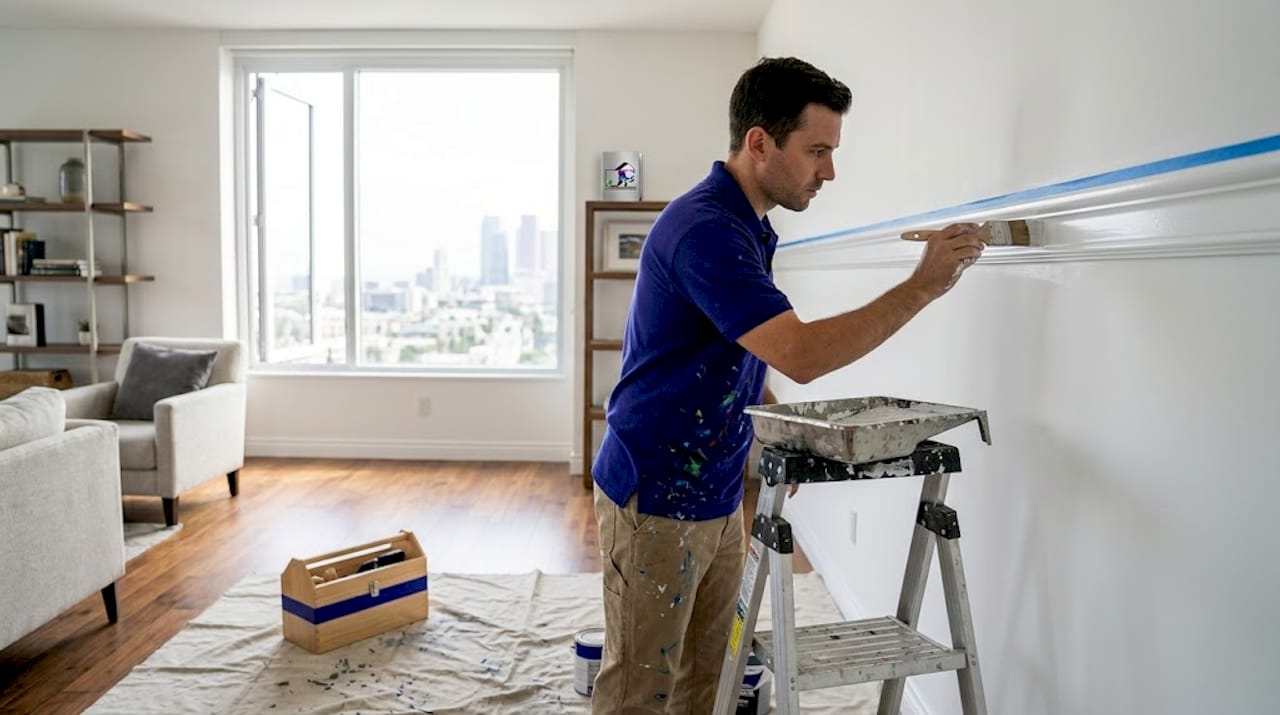
Crisp lines and no bleed. The most obvious visual difference between professional and amateur trim painting is the quality of the edges. Painters use flexible masking tape, steady technique, and years of practice to produce tight, clean lines where trim meets wall or ceiling. Bleed, when paint seeps under tape and leaves a blurry edge, is one of the most common DIY frustrations. It forces re-work and often makes the finished product look worse than before.
Durable finishes built for the LA climate. Los Angeles sits in a semi-arid, Mediterranean climate zone with intense UV exposure for much of the year, plus seasonal humidity swings. That combination degrades paint faster than most homeowners expect. Professional painters use premium, UV-resistant paints and apply them in appropriate conditions, never in direct midday sun or high humidity, to maximize adhesion and longevity.
Here’s how professional trim painting stacks up against typical DIY results in a few key categories:
Factor | DIY trim painting | Professional trim painting |
Edge quality | Often uneven or bleeds | Crisp, clean lines |
Surface prep | Usually minimal | Full cleaning, sanding, caulking |
Finish durability | 2 to 4 years typical | 5 to 10 years with quality materials |
Time investment | High (multiple weekends) | Efficient (1 to 2 days for most rooms) |
Material selection | Generic store picks | Premium, climate-appropriate paints |
Overall cost efficiency | Lower upfront, higher long-term | Higher upfront, lower long-term |
Current LA design trends for trim. Bold modern contrasts are having a major moment across neighborhoods like Silver Lake, Los Feliz, and Santa Monica. Many homeowners are pairing white or cream walls with matte black door frames and baseboards for a contemporary, gallery-style feel. Soft pastels, sage green trim, dusty rose accents, are popular in Spanish Revival and Craftsman bungalows throughout Pasadena and Echo Park. Classic bright white trim remains the safe, timeless choice that never falls out of fashion.
Pro Tip: If you’re planning to sell within two years, stick with white or off-white trim. It photographs better and appeals to the widest range of buyers. Save the bold color experiments for spaces you plan to enjoy for years to come.
One of the strongest arguments for professional trim painting is the boost to property value relative to cost. Major kitchen renovations or bathroom remodels can run tens of thousands of dollars. A full interior trim painting project for a typical LA home costs a fraction of that, yet buyers and appraisers notice the condition of trim immediately. As the trim painting research confirms, the return on this type of upgrade consistently outperforms its modest investment.
How professionals prepare and paint trim
Understanding the process helps you know what to expect when you hire a professional, and it helps you appreciate why cutting corners during prep always backfires. Here’s exactly how expert painters approach trim from start to finish.
Cleaning the surface. Professionals start by washing trim with a degreaser or TSP (trisodium phosphate) solution to remove grease, grime, and any wax residue. Dirty surfaces prevent paint from bonding properly, no matter how good the paint is.
Sanding for adhesion. Once the trim is dry, painters sand the surface using 150 to 220 grit sandpaper. This scuffs the existing finish just enough for new paint to grip without removing material unnecessarily. Professional prep methods like this sanding step are what separate a paint job that lasts a decade from one that chips within a year.
Filling dents and gouges. Baseboards and door frames take a beating from furniture, foot traffic, and everyday life. Painters fill any dents, holes, or cracks with lightweight spackling compound, let it dry fully, then sand smooth. Skipping this step leaves visible imperfections that no amount of paint will hide.
Caulking gaps and seams. Gaps where trim meets the wall, ceiling, or floor are filled with paintable caulk. This creates seamless transitions, keeps moisture out, and gives trim that built-in, custom look. It’s one of the details that separates professional work from amateur results.
Applying primer. Primer is not optional for quality trim work, especially on older homes. For wood trim that has been previously stained or has tannin-rich wood underneath, stain-blocking primer is essential. It seals in stains and prevents bleed-through that would discolor the final topcoat.
Painting with the right technique. Professional painters use angled brushes for trim work, maintaining consistent pressure and smooth strokes to avoid brush marks. They apply multiple thin coats rather than one thick coat, allowing adequate dry time between each layer.
Pro Tip: Stain-blocking primer matters most on older wood trim. Without it, natural wood tannins and old stains can bleed through even multiple coats of white paint, leaving yellowish or brownish patches that ruin the finish.
Professionals also pay attention to order of operations. In most cases, trim is painted before walls when working in new construction, and after walls are done in repaints. Knowing which sequence to follow prevents double work and keeps lines clean. More guidance on sequencing and expert exterior painting tips for your LA home can help you understand the full scope of what’s involved. Choosing the right paint finish for your trim is equally critical, which leads directly into the next decision every homeowner faces.
Choosing colors and finishes: Styles for modern LA homes
With prep and process covered, it’s time to talk about the design decisions that make your trim painting project truly yours. Color and finish selection might feel overwhelming given how many options exist, but a few clear principles make it much simpler.
Color psychology for trim choices. White and off-white trim reads as clean, timeless, and universally appealing. It makes rooms feel larger and brighter, particularly valuable in smaller LA bungalows and condos. Dark trim, in charcoal, black, or deep navy, creates drama and grounds a space visually. It works best in larger, well-lit rooms where the contrast doesn’t feel oppressive. Warm tones in trim, creamy whites, soft taupes, or warm grays, complement the Spanish tile, stucco, and warm wood tones that are common across LA’s architectural landscape.
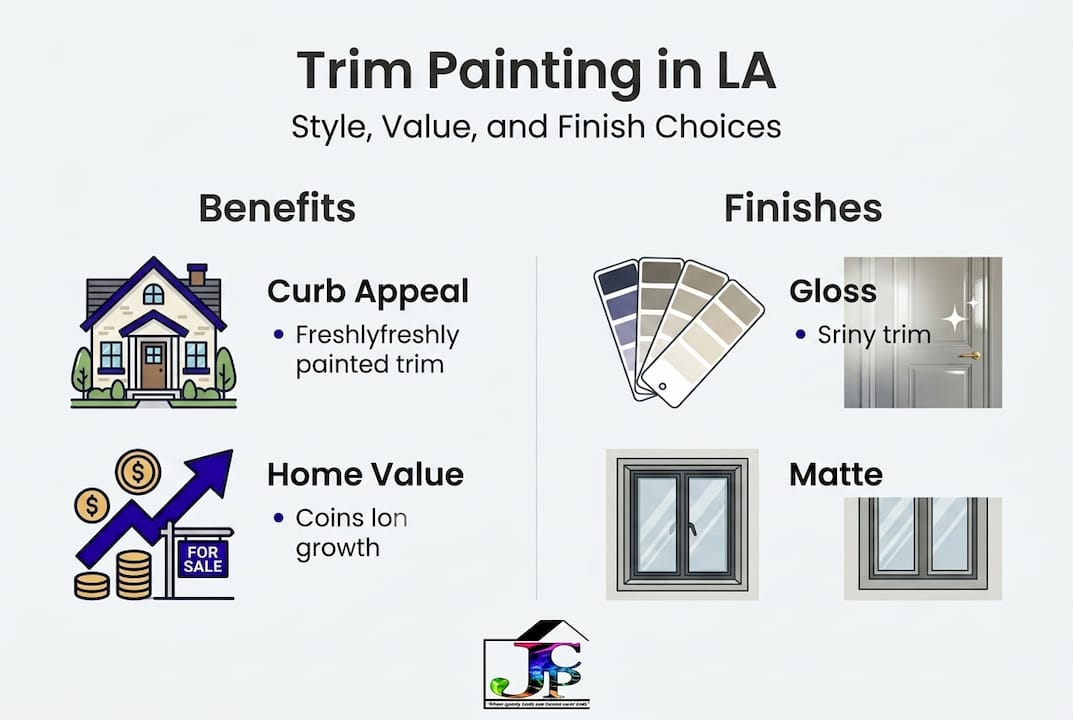
According to design research, color choices ranging from classic white to bold modern contrasts each communicate a distinct personality for the home. The key is matching your trim color to the architectural style of the property, not just your personal preference in the moment.
Choosing the right finish. This is where many homeowners make costly mistakes. Here’s a quick breakdown:
High-gloss: Maximum sheen, very durable, easy to wipe clean. Best for door frames and baseboards in high-traffic areas. Shows surface imperfections more clearly, so prep must be thorough.
Semi-gloss: The professional standard for most trim applications. Durable, cleanable, and slightly forgiving of minor surface irregularities. Works well in kitchens, bathrooms, and hallways.
Satin: A softer sheen with moderate durability. Good for trim in bedrooms or living spaces where a subtler look is preferred.
Matte: Almost no sheen. Not recommended for trim in high-traffic areas because it scuffs easily and is difficult to clean. Best reserved for decorative molding in low-touch locations.
Popular color combinations across LA neighborhoods in 2026 include white trim with warm greige walls in Brentwood and Pacific Palisades, black trim with light walls in modern Silver Lake builds, and sage green trim with white stucco in Craftsman homes throughout Highland Park.
Pro Tip: If you want to use a bold color on your trim without overwhelming your space, limit it to one focal area. Paint only the crown molding in deep navy, or pick one doorway with black casings. This creates visual interest without committing every surface. Check out our guide to perfect paint finishes for deeper guidance on matching sheen to your specific space and lifestyle.
Our unique take: What most homeowners miss about trim painting
After 16 years painting homes across Los Angeles, here’s the honest truth: most homeowners who skip proper trim painting aren’t saving money. They’re trading a small investment now for a much larger perception problem later. When buyers or guests walk into a home, they don’t consciously notice trim. But they feel it. Chipped, yellowed, or inconsistently painted trim creates a subtle sense of disorder that undermines everything else you’ve done well.
We’ve seen freshly renovated kitchens lose their impact entirely because the baseboards hadn’t been touched in a decade. We’ve also seen modest, older homes feel genuinely impressive simply because the trim was clean, crisp, and intentional. Cheap paint matters here too. Budget trim paints yellow faster, chip more easily, and require more frequent repainting, costing more over time than the premium product would have upfront.
Real estate agents in LA consistently report that trim condition is one of the first things they evaluate when advising sellers on pre-listing touch-ups. It signals maintenance habits. Stay current with painting tips and trends to make decisions that protect your home’s value long term. Trim painting is not a finishing touch. It’s a foundational statement about how well you care for your property.
Upgrade your trim with expert painting services
If this guide has you rethinking your trim, you’re not alone. Many Los Angeles homeowners discover just how much untapped potential sits in those baseboards and door frames.
At Johnny’s Custom Painting, we’ve spent over 16 years delivering professional trim painting across LA’s most distinctive neighborhoods. Our licensed and insured team uses premium, low-VOC paints, meticulous prep, and proven techniques to produce results that last. Browse our exterior painting portfolio to see how our trim work transforms homes from the outside in, or explore our interior painting portfolio for inspiration on color combinations and finish options. Ready to make a move? Contact us today for a free, no-pressure estimate tailored to your home.
Frequently asked questions
What areas of my home benefit most from trim painting?
Baseboards, window frames, door casings, and crown molding are the primary areas where trim painting makes the greatest visual impact, both inside and outside the home.
How long does professional trim painting last in Los Angeles climate?
With proper preparation and high-quality materials including thorough prep steps like sanding, caulking, and priming, professional trim painting can last five to ten years even in LA’s intense sun and seasonal humidity.
Can trim painting increase my home’s resale value?
Yes. Refreshed trim painting boosts perceived home value and curb appeal significantly, and the material investment is among the lowest of any home upgrade available.
What paint finish is recommended for high-traffic trim?
Gloss or semi-gloss finishes are the best choice for high-traffic trim because they resist scuffs, hold up to regular cleaning, and maintain their appearance longer than satin or matte options.
Do professional painters use special primers for trim?
Yes. Professionals apply stain-blocking primer on older wood trim to seal in tannins and previous stains, ensuring the topcoat applies smoothly and stays true to color over time.
Recommended
Comments