
What is paint durability? Expert guide for LA properties 2026

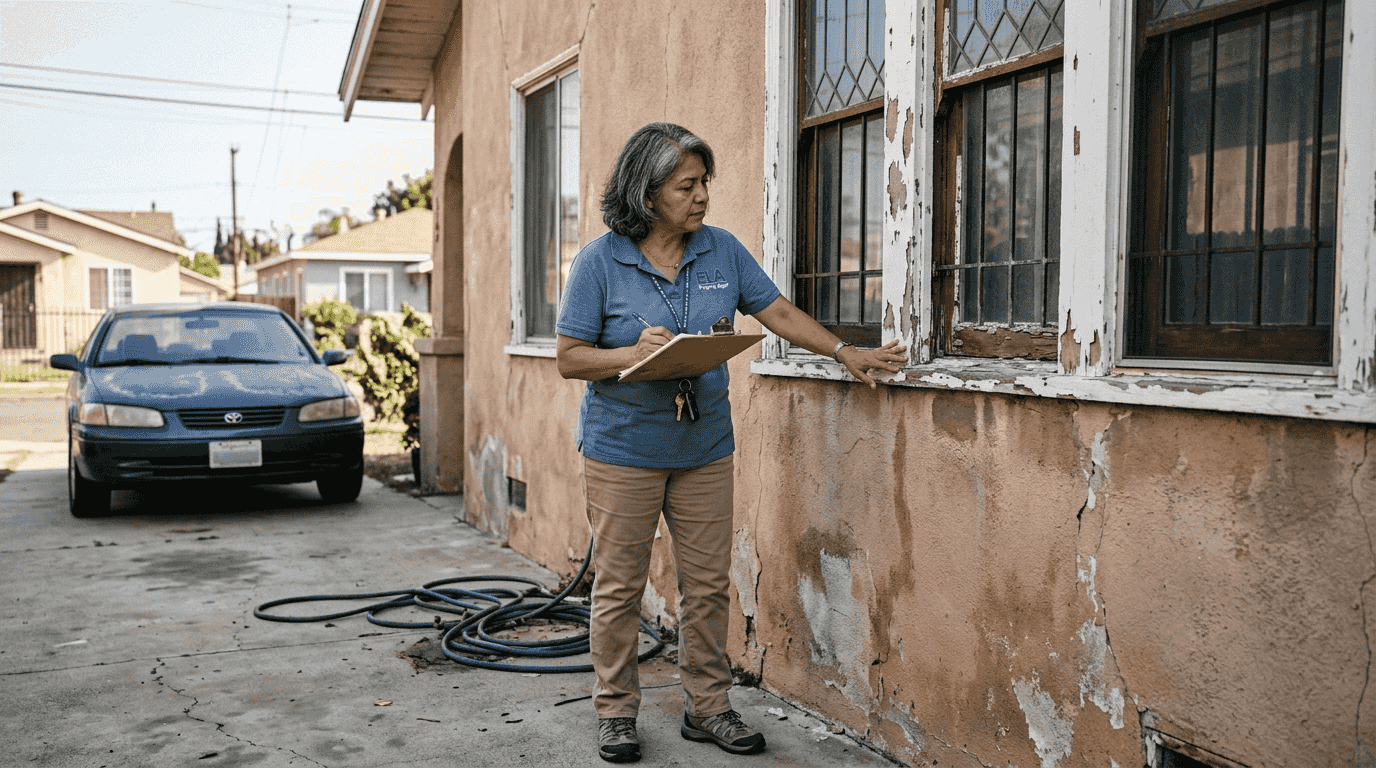
Los Angeles properties face extreme paint durability challenges that most homeowners underestimate. The combination of intense UV radiation, marine layer salt, and urban pollution can reduce exterior paint lifespan by up to 40% compared to moderate climates. Understanding what paint durability actually means and how Southern California’s unique environment affects it empowers you to make smarter painting investments. This guide breaks down durability factors, testing standards, and practical strategies to maximize your paint’s performance in LA’s demanding conditions, helping you avoid costly premature repainting.
Table of Contents
Key takeaways
Point | Details |
Durability factors | Paint thickness, formulation quality, and environmental resistance determine how long paint protects surfaces from damage. |
SoCal accelerates wear | UV intensity, salt air, and smog in Los Angeles cause paint to degrade significantly faster than in other regions. |
Preparation matters | Proper surface prep and quality pigments can extend paint lifespan by up to 50% through better adhesion. |
Testing validates claims | ASTM standards and accelerated weathering tests help verify manufacturer durability claims before purchase. |
Maintenance prevents failure | Regular cleaning and prompt attention to contaminants like bird droppings preserve paint integrity over time. |
Understanding paint durability: what it means and why it matters
Paint durability measures how well a coating resists cracking, peeling, fading, and environmental damage over its lifespan. Many property owners mistakenly believe all paints perform similarly, but durability varies dramatically based on formulation and application quality. The difference between standard and high-performance paints can mean repainting every 5 years versus every 15 years.
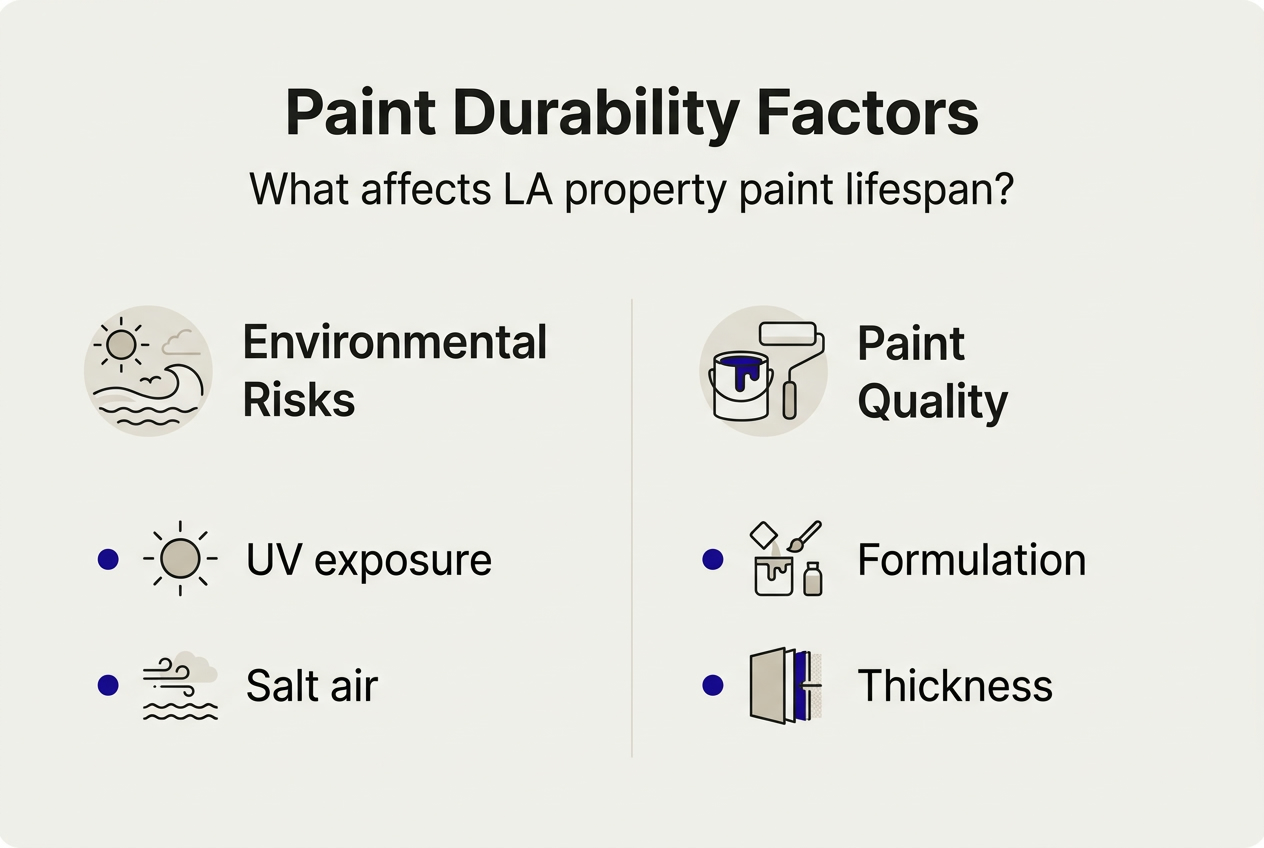
Thickness and composition directly impact protective performance. Lifetime exterior paints are 10 to 20 times thicker than conventional options, creating a robust barrier against moisture infiltration and temperature stress. These advanced formulations incorporate UV stabilizers that prevent molecular breakdown from sunlight exposure. Elastomeric components allow the paint film to flex with substrate movement, reducing crack formation during thermal expansion cycles.
Key durability characteristics include:
High solids content that creates thicker dry film protection
UV-resistant pigments that maintain color stability
Flexible binders that accommodate surface movement
Water-resistant formulations that prevent moisture damage
Frequent repainting drains your budget and disrupts property use. Commercial properties face additional costs from tenant inconvenience and lost business during painting projects. Investing in durable paint and proper exterior home painting techniques reduces these recurring expenses significantly.
Pro Tip: Always check the solids content percentage on paint labels. Higher solids (40% or above for quality exterior paints) indicate better durability potential and coverage.
“The most expensive paint is the one you have to apply twice. Durability should be your primary selection criterion, not initial cost per gallon.”
Environmental challenges to paint durability in Los Angeles
Southern California’s climate creates a perfect storm for paint degradation. UV intensity, marine salt, and smog combine to attack paint films from multiple angles simultaneously. Properties near the coast face even harsher conditions as salt particles penetrate paint layers and corrode underlying substrates.
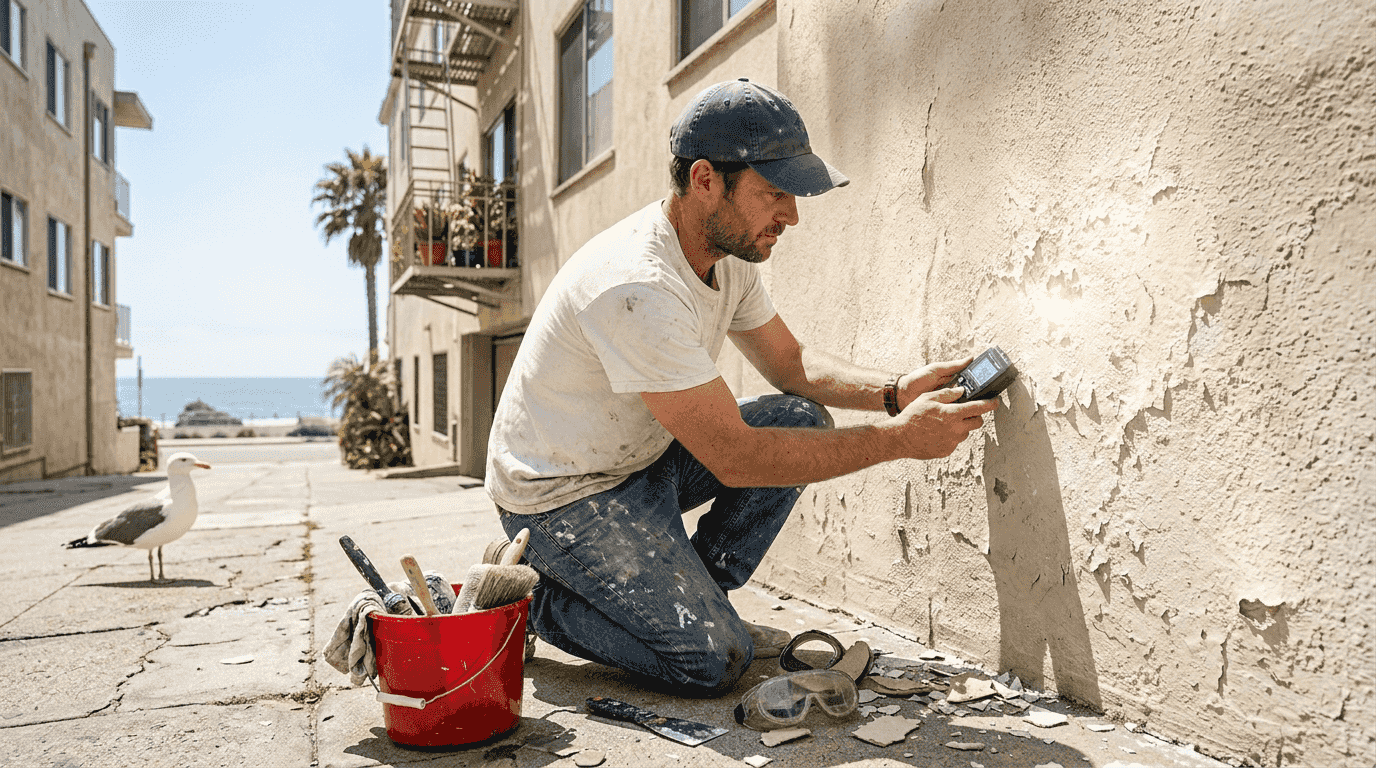
UV radiation breaks chemical bonds in paint polymers, causing chalking and color fade. Los Angeles receives significantly more UV exposure than northern cities, accelerating this photodegradation process. Dark colors absorb more solar energy, reaching surface temperatures exceeding 160°F on summer afternoons. This heat stress oxidizes paint components faster, creating visible deterioration within just a few years on unprotected surfaces.
Temperature fluctuations cause constant expansion and contraction. Morning surfaces might be 60°F, then climb to 140°F by afternoon. This daily cycling creates microscopic cracks that widen over time, allowing moisture penetration. Once water enters these fissures, it accelerates substrate damage and paint delamination.
Specific LA environmental threats include:
Marine layer salt that promotes electrochemical corrosion beneath paint films
Smog pollutants that form acidic compounds when combined with morning dew
Santa Ana winds that deposit abrasive dust particles onto painted surfaces
Extended dry periods followed by intense winter rains that stress paint adhesion
Coastal properties within 5 miles of the ocean experience the most aggressive salt exposure. The chloride ions penetrate paint and attack metal substrates, causing rust blooms that push paint away from surfaces. This explains why beachfront homes require more frequent maintenance than inland properties.
Pro Tip: Select paints specifically formulated with salt and UV resistance for Los Angeles conditions. Low-VOC options now offer excellent durability without compromising environmental responsibility.
“In Southern California, standard paint warranties mean little. Real-world performance depends on choosing formulations engineered for our specific environmental stressors.”
Paint durability testing and standards for informed painting choices
Manufacturers use both natural weathering and accelerated laboratory tests to evaluate paint performance. Natural exposure involves placing painted panels outdoors in harsh climates like Florida or Arizona for years, tracking degradation over time. This method provides authentic results but requires extensive time before products reach market.
Accelerated weathering compresses years of exposure into weeks using specialized equipment. QUV chambers expose samples to concentrated UV light alternating with moisture condensation cycles. Weather-Ometers combine UV, temperature, and water spray to simulate multiple environmental stressors simultaneously. ASTM D1735 specifically tests water resistance by exposing coatings to controlled humidity in water fog chambers.
Testing evaluates specific failure modes:
Color retention measured by spectrophotometer readings
Gloss loss tracked as percentage reduction from initial values
Cracking assessed using standardized visual scales
Adhesion tested through cross-hatch and pull-off methods
Blistering rated by size and density of defects
No single test perfectly predicts real-world performance because actual conditions vary by location and microclimate. A paint performing excellently in Arizona desert tests might fail prematurely in coastal California due to salt exposure not replicated in the lab. This limitation means you should consider multiple test results and real-world track records when selecting products.
Test Method | Advantages | Limitations |
Natural weathering | Authentic environmental exposure | Requires years to complete |
QUV accelerated | Fast results, controlled conditions | May not match real UV spectrum |
Weather-Ometer | Combines multiple stressors | Expensive equipment, artificial cycling |
ASTM D1735 water | Standardized humidity testing | Focuses only on moisture resistance |
Pro Tip: Request test data from manufacturers showing performance in coastal or urban environments similar to Los Angeles. Generic accelerated test results may not reflect the specific challenges your property faces.
Understanding proper surface preparation matters as much as paint quality because even the most durable coating fails without adequate substrate bonding. Testing assumes ideal application conditions that must be replicated in the field.
Practical tips to maximize paint durability for your Los Angeles property
Implementing proven strategies extends paint lifespan significantly while reducing long-term maintenance costs. Surface preparation accounts for up to 50% of paint durability, making it the most critical step in any project. Skipping prep work to save time virtually guarantees premature failure regardless of paint quality.
Clean and prime thoroughly before painting. Remove all dirt, mildew, and chalking from existing surfaces using appropriate cleaners. Apply primer designed for your substrate type to seal porous materials and improve topcoat adhesion. This foundation prevents moisture infiltration that causes blistering and peeling.
Choose paints with UV stabilizers and quality pigments. Look for products specifically formulated for high-UV environments. Titanium dioxide and ceramic pigments offer superior fade resistance compared to organic colorants. These premium ingredients cost more initially but deliver substantially longer color retention.
Apply recommended coat thickness. Most manufacturers specify two coats for exterior applications. Each additional layer increases the protective barrier against environmental damage. Cutting corners by applying single coats reduces durability by exposing the substrate to accelerated weathering.
Establish a maintenance schedule. Wash painted surfaces annually using pH-balanced soap and soft cloths or brushes. This removes accumulated salt, pollution residue, and organic growth before they compromise the paint film. Coastal properties benefit from twice-yearly cleaning to combat salt buildup.
Address contaminants promptly. Bird droppings contain uric acid that etches paint if left in place. Tree sap bonds to paint surfaces and traps moisture underneath. Remove these threats within days of appearance to prevent permanent staining or damage.
Calculate total cost of ownership. Commercial property managers should evaluate durability economics beyond initial material costs. Premium paints with 15-year lifespans cost less per year than budget options requiring replacement every 5 years. Factor in labor, business disruption, and energy savings from reflective coatings when making decisions.
Additional durability considerations:
Avoid automated car washes on painted surfaces as brushes create microscopic scratches
Inspect caulking annually and replace failed sealant to prevent water intrusion
Trim vegetation away from painted surfaces to reduce moisture retention and mildew
Consider lighter colors that reflect heat and reduce thermal stress on paint films
Pro Tip: Hire experienced painters familiar with SoCal challenges to ensure proper application techniques. Their expertise in surface prep, primer selection, and coating thickness dramatically impacts long-term performance.
Explore expert painting services for durable and beautiful finishes
Achieving maximum paint durability requires both quality materials and expert application tailored to Los Angeles conditions. Johnny’s Custom Painting brings over 16 years of specialized experience helping property owners select and apply the most durable coating systems for Southern California’s demanding environment. Their team understands how UV intensity, marine air, and pollution affect different paint formulations and substrates.
Whether you need exterior residential painting that withstands coastal salt exposure or commercial exterior projects requiring minimal maintenance disruption, their proven process ensures lasting results. Their portfolio demonstrates successful long-term performance across diverse LA properties. Contact Johnny’s Custom Painting for a consultation that matches your specific durability needs with the optimal paint systems and application methods.
Frequently asked questions about paint durability
What is paint durability?
Paint durability refers to how long a coating maintains its protective and aesthetic properties when exposed to environmental stressors like UV radiation, moisture, temperature changes, and pollutants. Durable paints resist fading, cracking, peeling, and chalking for extended periods, reducing the frequency of repainting. In Los Angeles, durability is particularly important due to intense sun exposure and coastal salt that accelerate paint degradation.
How long should exterior paint last in Los Angeles?
Quality exterior paint properly applied should last 7 to 10 years in Los Angeles under normal conditions. Premium formulations with enhanced UV protection and elastomeric properties can extend this to 12 to 15 years. Coastal properties typically see shorter lifespans of 5 to 8 years due to salt exposure. Regular maintenance including annual washing can add 2 to 3 years to these estimates by removing contaminants before they damage the paint film.
What factors reduce paint durability most in Southern California?
UV radiation causes the most significant paint degradation in SoCal by breaking down polymer bonds and fading pigments. Salt from marine air corrodes substrates beneath paint, causing adhesion failure. Smog pollutants form acidic compounds that etch paint surfaces. Temperature swings create expansion and contraction cycles that generate microcracks. Dark colors absorb more heat and fail faster than lighter shades in intense sunlight.
Can I improve durability of existing paint?
You cannot fundamentally change the durability of paint already applied, but proper maintenance extends its effective lifespan significantly. Regular cleaning removes contaminants that accelerate degradation. Applying a clear protective topcoat adds UV resistance and sacrificial protection. Promptly repairing damaged areas prevents moisture infiltration that spreads failure. However, once paint shows widespread cracking or peeling, complete repainting with a more durable system is the only effective solution.
How do I choose the most durable paint for my property?
Select paints with high solids content (40% or higher), quality pigments like titanium dioxide, and UV stabilizers specifically formulated for high-sun environments. Review manufacturer test data for accelerated weathering performance and real-world track records in coastal or urban settings similar to Los Angeles. Consider elastomeric coatings for surfaces with movement or cracking issues. Consult experienced local painters who understand which products perform best in Southern California’s unique conditions rather than relying solely on brand marketing claims.
Recommended
Comments