
Paint application methods: Step-by-step guide for LA projects
- Jonathan Hernandez
- Apr 7
- 9 min read

TL;DR:
Proper application technique and thorough prep are essential for long-lasting LA paint jobs.
Using climate-rated, UV, and moisture-resistant paints ensures durability tailored to LA conditions.
Combining brushing, rolling, and spraying yields the best results in LA’s diverse climate zones.
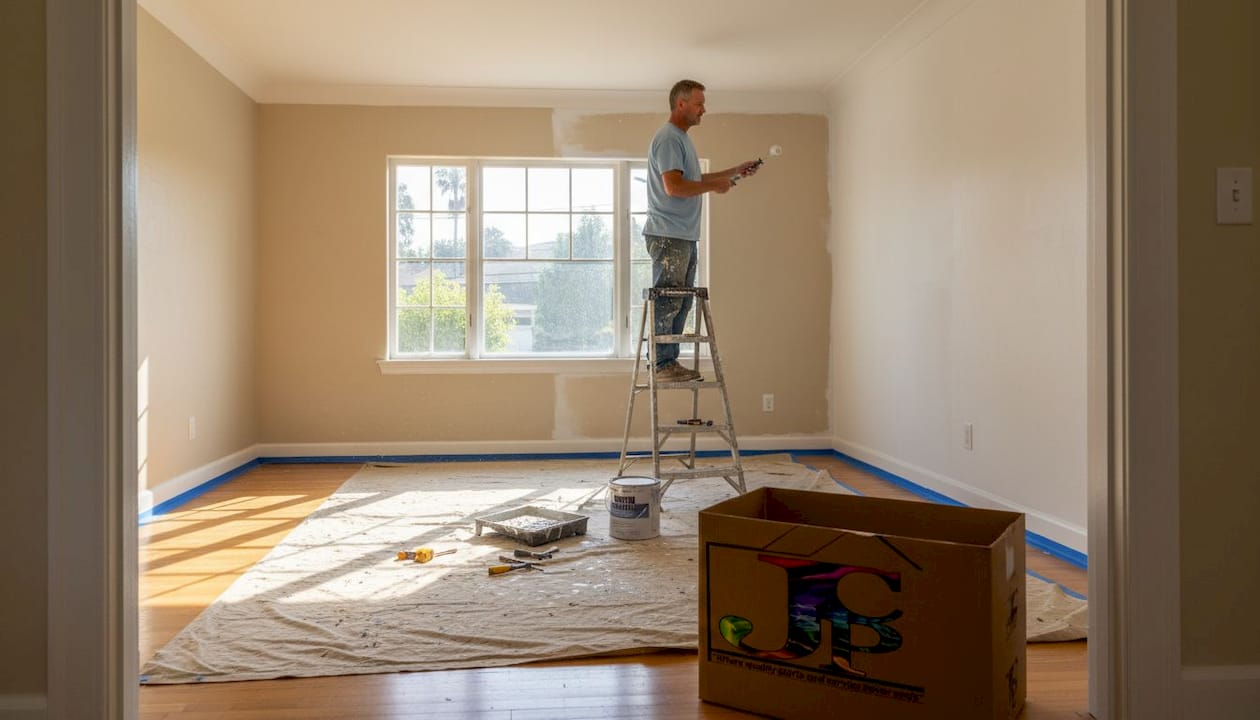
Peeling paint six months after a fresh coat. Streaky walls that looked fine when wet but dried uneven. These aren’t just cosmetic annoyances — they’re expensive mistakes that stem from mismatched paint application methods, skipped prep steps, or products that can’t handle Los Angeles’s demanding climate. Whether you’re refreshing a Craftsman bungalow in Silver Lake or managing a commercial property in Downtown LA, the method you choose and how you execute it makes all the difference. This guide walks you through every major application technique, the prep work that makes or breaks results, and how to verify quality before you sign off on any job.
Table of Contents
Understanding paint application methods: Brushing, rolling, and spraying explained
Preparation essentials: Tools, materials, and setting for Los Angeles conditions
Method in action: Step-by-step instructions for brushing, rolling, and spraying
Troubleshooting and quality checks: Common mistakes and how to verify results
Beyond basics: What most guides miss about paint application in Los Angeles
Professional results: Connect with Los Angeles’s top painting experts
Key Takeaways
Point | Details |
Brushing, rolling, spraying | Each method suits different surfaces and speeds—choose based on job scope and LA climate needs. |
LA-specific paint choices | Moisture, UV resistance, and low-VOC formulas are essential for both residential and commercial projects. |
Preparation and timing | Thorough prep and painting between 60-85F, with low humidity, produce lasting results. |
Quality checks | A quality paint job should offer a uniform finish and exterior durability up to 10 years. |
Professional support | LA painters bring expertise in blending application methods for optimal results in local climates. |
Understanding paint application methods: Brushing, rolling, and spraying explained
Choosing the right application method isn’t just a matter of preference. It affects finish quality, project speed, material usage, and how well the paint holds up against LA’s intense UV exposure and coastal humidity. The three primary methods are brushing, rolling, and spraying, and skilled painters often combine all three on a single project.
Brushing is the most controlled method. It works paint into surface pores and gives you precise coverage along trim, window frames, and intricate architectural details. The trade-off is speed: expect to cover roughly 50 to 75 square feet per hour. For LA homes with detailed woodwork or stucco accents, brushing is irreplaceable for those finishing touches.
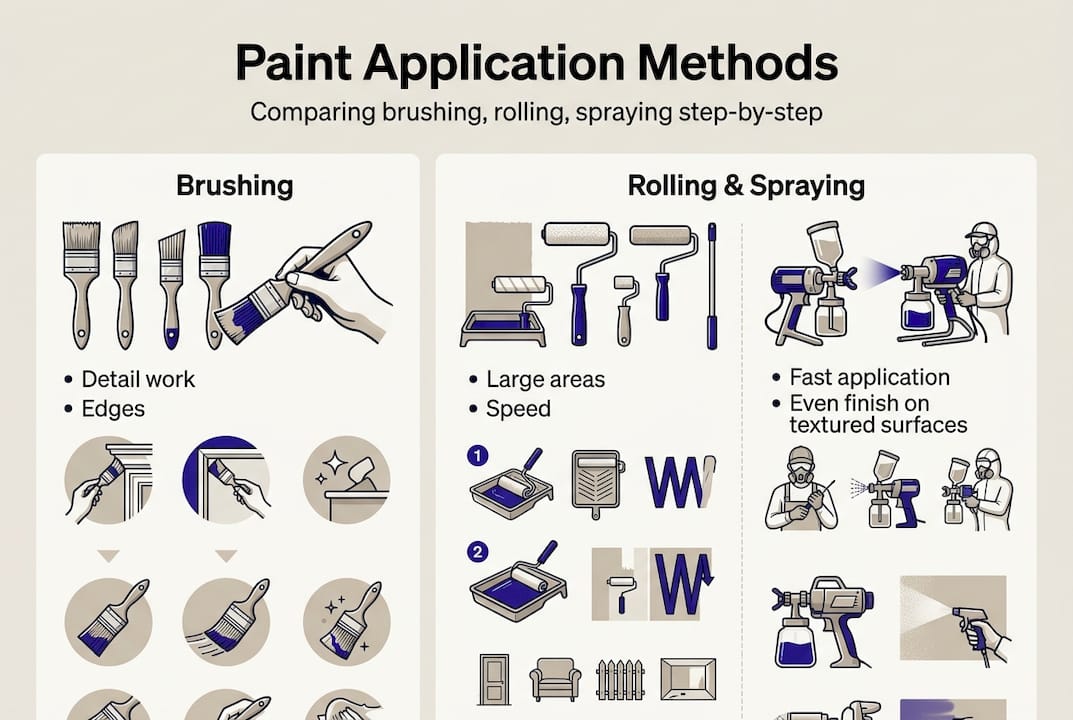
Rolling is the workhorse of interior and exterior wall painting. A quality roller covers 150 to 200 square feet per hour and delivers a consistent, smooth finish on flat surfaces. Research into roller application performance shows that paint viscosity and roller nap length directly affect spatter and surface leveling, which matters when you’re trying to achieve a uniform finish on large walls.
Spraying is the fastest method, covering 300 to 400 square feet per hour. It’s ideal for large exterior facades, commercial buildings, fences, and ceilings. But speed comes with complexity. Overspray, drips, and uneven coats are real risks without proper technique and masking.
Method | Speed (sq ft/hr) | Best use | Skill level |
Brushing | 50 to 75 | Trim, detail work | Beginner to pro |
Rolling | 150 to 200 | Walls, ceilings | Beginner to pro |
Spraying | 300 to 400 | Large surfaces, exteriors | Intermediate to pro |
For LA properties specifically, the paint you apply matters as much as the method. Always consider types of exterior paint that are rated for UV resistance and moisture exposure. Interiors and commercial spaces benefit from low-VOC paint options that meet California’s strict air quality standards.
Brushing: Best precision, slowest pace
Rolling: Best balance of speed and finish quality
Spraying: Fastest coverage, highest skill requirement
Combination approach: Most professional results
Pro Tip: Never rely on a single method for an entire project. Use a brush to cut in edges, a roller for open wall surfaces, and a sprayer for large exterior sections. This hybrid approach produces the cleanest, most durable results.
Preparation essentials: Tools, materials, and setting for Los Angeles conditions
Even the best technique falls apart without proper preparation. In Los Angeles, prep isn’t just about cleanliness — it’s about understanding how the local environment interacts with your materials before the first drop of paint hits the surface.
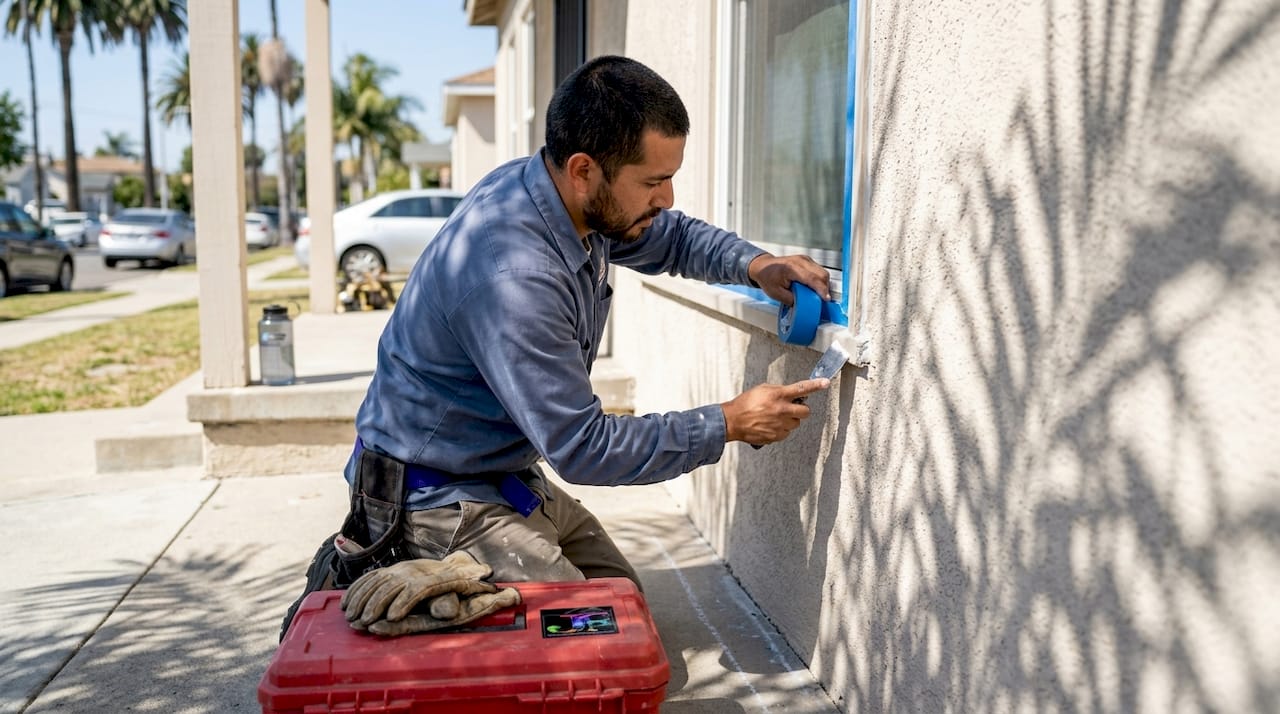
LA’s climate is deceptively demanding. Coastal neighborhoods like Santa Monica and Venice deal with salt air and morning fog. Inland areas like the San Fernando Valley face intense heat and low humidity. Each condition affects how paint adheres, dries, and lasts. Using moisture and UV-resistant paints designed for LA conditions can deliver 7 to 10 years of exterior durability, compared to far shorter lifespans with generic products.
Tools checklist:
Natural or synthetic bristle brushes (match to paint type)
Roller frames with appropriate nap covers (3/8 inch for smooth, 3/4 inch for textured)
Airless or HVLP spray equipment for larger projects
Drop cloths, masking tape, and plastic sheeting
Putty knives, sandpaper, and patching compound
Primer suited to the surface material
Surface prep steps:
Clean all surfaces with a degreaser or pressure washer
Sand rough areas and feather out old peeling paint
Fill cracks and holes with appropriate patching compound
Apply primer to bare spots or full surfaces for new paint
For long-term results, consult a paint durability expert guide to match primer and topcoat to your specific surface. The weather impact on painting is also a critical factor that most DIYers underestimate.
Condition | Ideal range | Why it matters |
Temperature | 60 to 85°F | Paint cures evenly |
Humidity | Below 50% | Prevents blistering |
Wind speed | Low to moderate | Reduces overspray and debris |
Time of day | Mid-morning | Avoids coastal fog and peak heat |
Pro Tip: In coastal LA neighborhoods, wait until mid-morning after the marine layer burns off before starting. Painting into fog or damp air traps moisture under the film and causes early peeling.
Method in action: Step-by-step instructions for brushing, rolling, and spraying
With your surface prepped and conditions right, it’s time to apply paint. Each method has its own rhythm, and knowing the mechanics helps you avoid the most common mistakes.
Brushing step-by-step:
Load the brush by dipping one-third of the bristle length into paint
Tap (don’t wipe) the brush against the can interior to remove excess
Cut in along edges, corners, and trim using smooth, long strokes
Maintain a wet edge to avoid lap marks
Work in sections no larger than 3 to 4 feet at a time
Rolling step-by-step:
Pour paint into a roller tray and load the roller evenly
Start with a “W” or “M” pattern on the wall to distribute paint
Fill in the pattern with parallel strokes without lifting the roller
Overlap each pass by about 50% to avoid streaks
Finish with light, vertical strokes to smooth the surface
Spraying step-by-step:
Mask all windows, trim, and surfaces not being painted
Test spray pattern on cardboard before starting
Hold the gun 10 to 12 inches from the surface
Use steady, overlapping passes at consistent speed
Apply thin coats and allow proper flash-off time between layers
For the best finish, invest in premium paint that flows well and levels evenly. If you’re using a roller, paint rheology — the way paint flows and resists spatter — directly determines how clean your finish looks.
Always wear a respirator when spraying, even outdoors. LA’s air quality regulations also require low-VOC formulas in many commercial settings. Review your low VOC paint options before selecting a product.
For LA homeowners and property managers, prioritizing prep and weather conditions — specifically staying in the 60 to 85°F range with low humidity — is the single most important factor in achieving a lasting finish.
Pro Tip: Never paint exterior surfaces above 85°F. The paint dries too fast, trapping solvents and causing bubbling or poor adhesion. Schedule outdoor work for early morning in summer months.
Troubleshooting and quality checks: Common mistakes and how to verify results
Even experienced painters run into problems. Knowing what to look for after the job is done helps you catch issues before they become costly repairs.
Most common mistakes:
Skipping primer on bare wood, drywall, or repaired surfaces
Poor masking that leads to overspray or bleed-through on trim
Applying thick coats instead of multiple thin ones
Painting in direct sunlight or when temperatures exceed 85°F
Not allowing adequate drying time between coats
Quality verification checklist:
Uniform color coverage with no thin spots or streaks
Clean edges along trim, corners, and ceiling lines
No visible roller texture on surfaces meant to be smooth
No spatter on adjacent surfaces
Proper sheen consistency across the entire surface
For exterior projects, LA-specific paint products should deliver 7 to 10 years of durability when applied correctly. If a job fails before that benchmark, the cause is almost always traced back to prep, weather conditions, or product selection — not the paint brand itself.
Before signing off on any professional job, review what a painting contracts guide recommends for warranty terms and quality guarantees. And if you’re hiring out, understanding what licensed painters in Los Angeles are required to provide protects your investment.
Pro Tip: Run your hand lightly over a dried painted surface. It should feel smooth and consistent. Any gritty texture, bubbling, or soft spots are signs of adhesion failure that need to be addressed before they spread.
Key stat: A properly applied exterior paint job using LA-rated products lasts 7 to 10 years, but jobs with skipped prep steps often fail within 2 to 3 years, costing two to three times more to fix.
Beyond basics: What most guides miss about paint application in Los Angeles
Most painting guides treat method selection like a simple checklist. Pick a brush or a roller, follow the steps, done. But after 16 years working on LA properties, we’ve learned that the real differentiator isn’t technique alone — it’s understanding how LA’s unique conditions interact with modern paint chemistry.
The combination of intense UV radiation, coastal salt air, seasonal Santa Ana winds, and dramatic temperature swings between neighborhoods means that a paint job that performs beautifully in Pasadena may fail prematurely in Marina del Rey. Generic guides don’t account for this. They don’t tell you that elastomeric coatings behave differently in high-heat inland areas versus foggy coastal zones, or that spray application requires a different viscosity adjustment depending on ambient temperature.
Another thing most guides skip: the value of professional spray expertise. Spraying looks simple but is the method most prone to failure in untrained hands. Poor technique means wasted material, uneven film thickness, and finishes that won’t meet the 7 to 10 year durability standard LA properties deserve.
If you’re planning a major project, estimating painting costs upfront with a local pro who understands these variables is far smarter than relying on national average figures. LA-specific expertise in prep, product selection, and method blending is what separates a job that lasts a decade from one that needs redoing in three years.
Professional results: Connect with Los Angeles’s top painting experts
Understanding paint application methods is a strong first step. But translating that knowledge into a flawless, long-lasting finish on your LA property takes experience, the right equipment, and local know-how that only comes from years of working in this specific climate.
At Johnny’s Custom Painting, we bring over 16 years of hands-on experience to every residential and commercial project across Los Angeles. Browse our exterior residential painting gallery to see how we handle everything from stucco facades to wood siding. For business owners, our interior commercial painting portfolio showcases clean, professional results in active commercial environments. Ready to get started? Contact your trusted Los Angeles painting contractor today for a free estimate and expert consultation tailored to your property.
Frequently asked questions
Which paint application method is best for exterior surfaces in Los Angeles?
For large exterior surfaces, spraying and rolling offer the best speed and coverage, while brushing remains essential for trim and detail work. LA exteriors specifically require moisture and UV-resistant paints to hold up against the local climate.
How long should a professionally applied exterior paint last in Los Angeles?
A quality paint job using LA-rated products should last 7 to 10 years on exterior surfaces when proper prep and application methods are followed.
Are low-VOC paints suitable for commercial spaces in Los Angeles?
Yes. Low-VOC paints for commercial interiors are strongly recommended in Los Angeles due to California’s strict indoor air quality standards and occupant health considerations.
What is the most important step to prepare for a painting project in LA’s climate?
Proper surface preparation combined with timing your project during mild weather conditions — between 60 and 85°F with low humidity — is the most critical factor for durability and finish quality.
Recommended
Comments